

Steamed-up windows in the morning. A musty smell when you open a cupboard that’s been shut all summer. A dark patch creeping across a bedroom ceiling. Autumn is when damp problems that have been quietly building all year finally show themselves, and it’s also the best time to deal with them, before the wettest months arrive.
Damp has two sides: what’s happening inside the house, mostly condensation and poor ventilation, and what’s happening outside, where rain, gutters and brickwork let moisture in. Tackle both, and you head into winter with a house that stays dry and warm rather than damp and cold.
Why autumn is when damp problems start
As the heating goes back on and windows stay shut, warm moist air from cooking, showers and drying laundry has nowhere to go. It hits cold surfaces, like a windowpane or an outside wall, and condenses into water. Left long enough, that moisture turns into mould. At the same time, autumn’s heavier rain starts testing every weak point in your gutters, roof and brickwork that summer never revealed. Sort the inside and the outside together, and each job makes the other more effective.
Part One: Tackling damp and condensation inside the house
Ventilate before you insulate
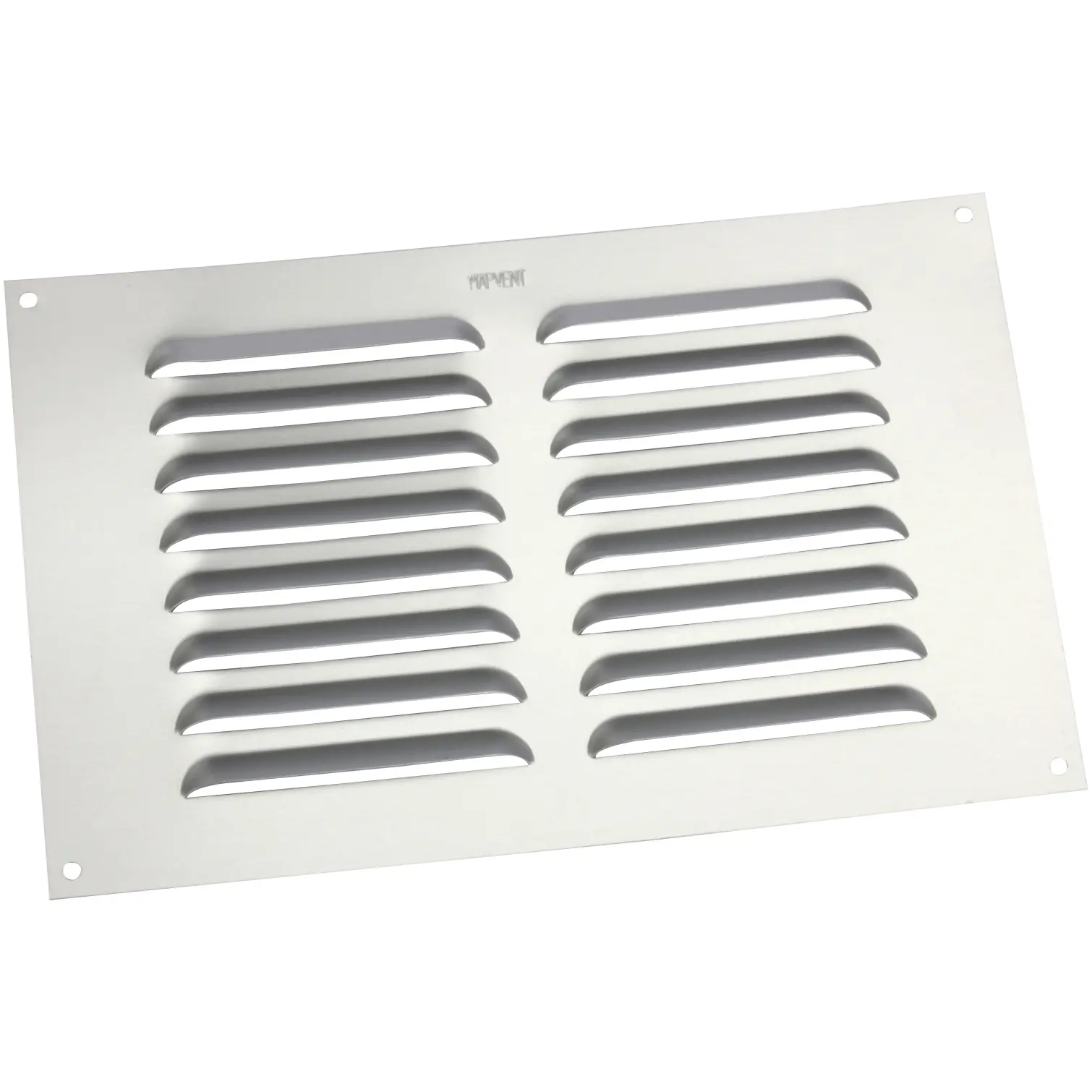
The single biggest cause of indoor condensation is moisture with nowhere to escape. Before you draught-proof anything, make sure the rooms that produce the most moisture, bathrooms, kitchens, utility rooms, actually have a way to let it out. If a room has a poorly performing air vent or none at all, a passive vent is a simple, inexpensive way to improve airflow through a wall, door or cupboard without any power needed.
Deal with existing mould before it spreads
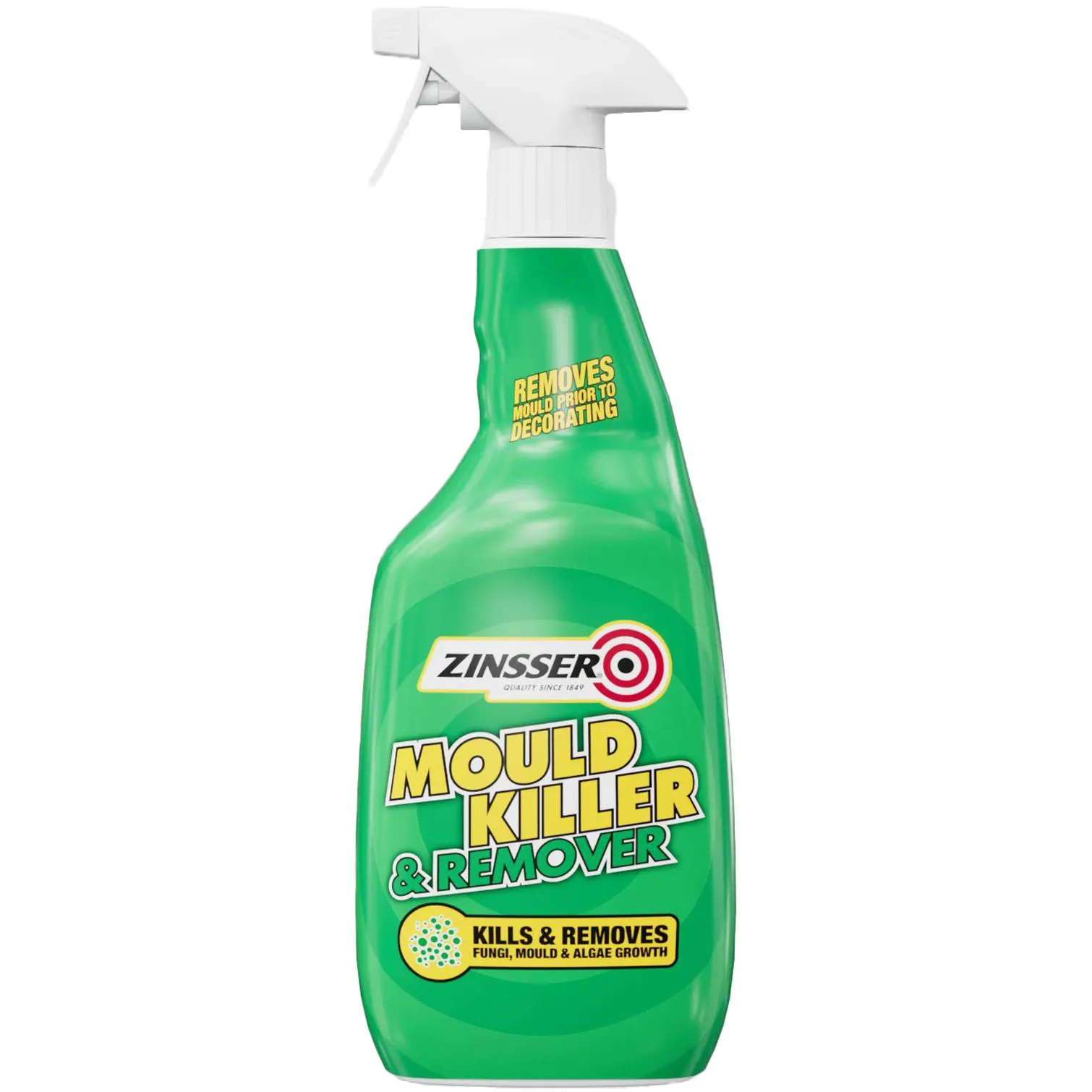
Black mould in bathroom corners or on a windowsill won’t go away on its own, and it spreads while you wait. Treat it as step one, not the whole fix, since mould keeps coming back if the underlying moisture problem isn’t addressed too.
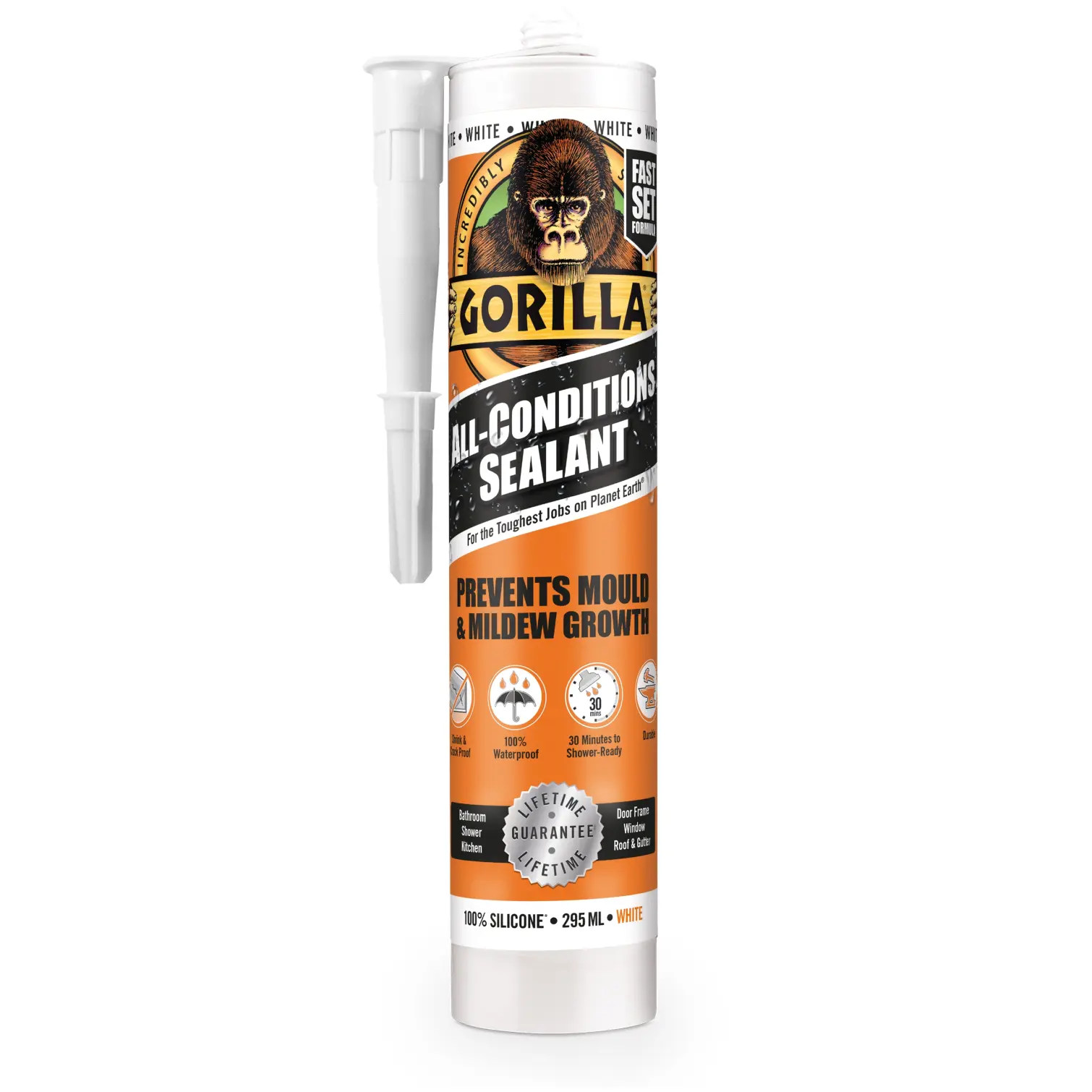
Bathroom sealant around the bath or shower tray is a classic spot for mould to take hold in the grout lines. A sealant that actively repels mould and mildew growth makes it a good autumn job to reseal tired bathroom edges before they turn black over winter.
Manage moisture in wardrobes, cupboards and cold spots
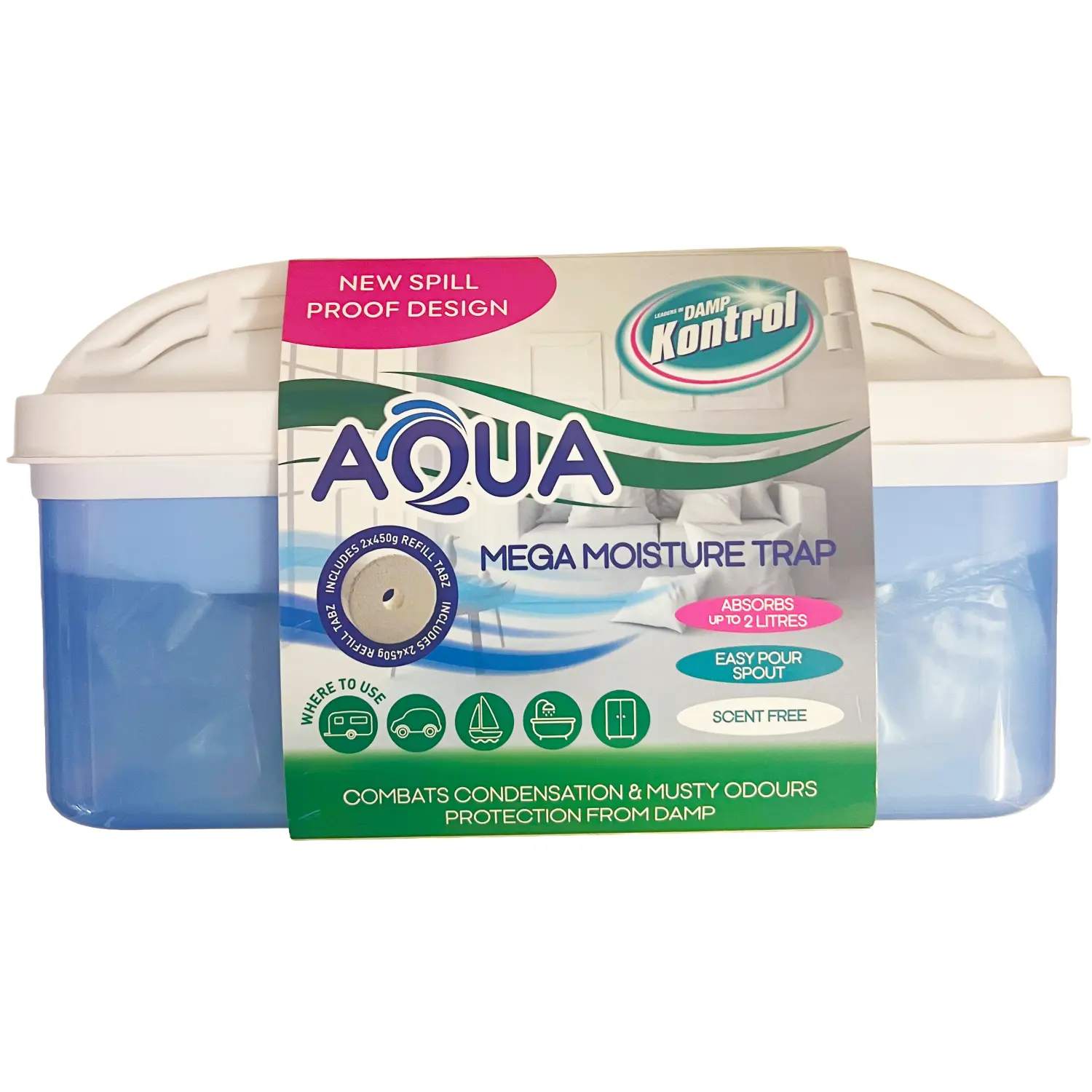
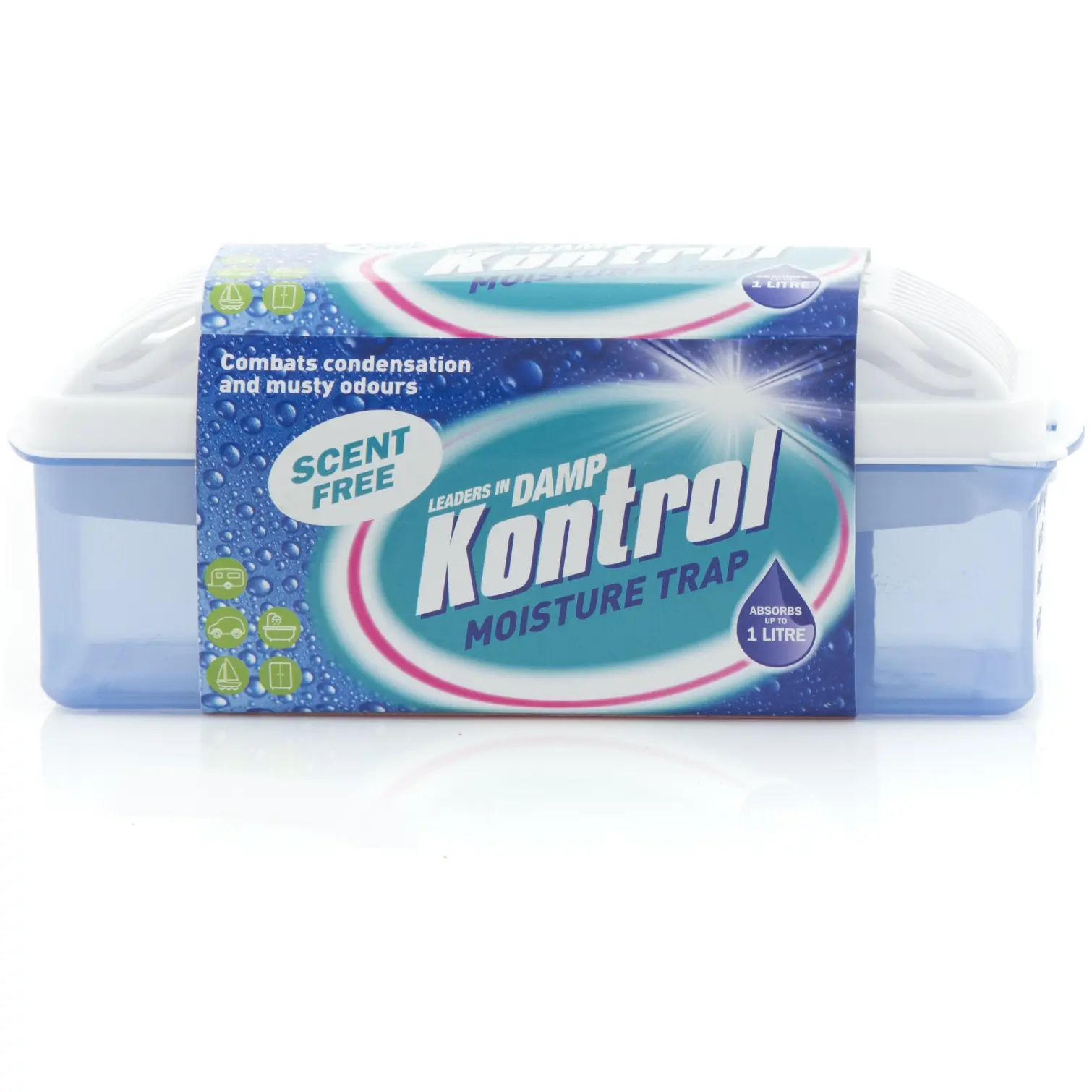
Some rooms and cupboards never get warm air moving through them, which is exactly where damp and musty smells build up. A passive moisture trap absorbs excess humidity from the air with no electricity needed, reducing condensation on windows and walls in larger rooms or persistently damp spaces, or at a smaller scale for a single wardrobe or cupboard.
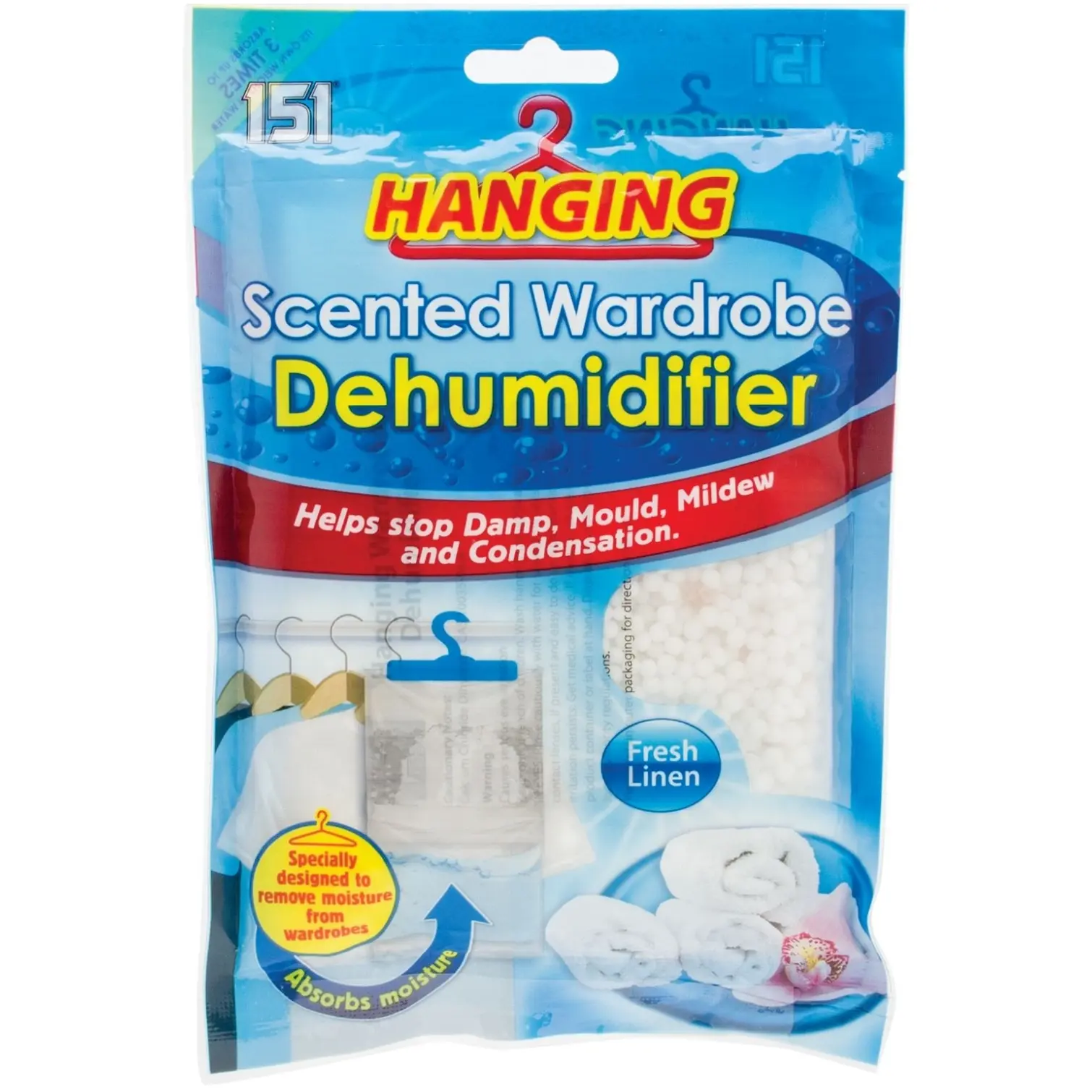
For a single wardrobe, a hanging dehumidifier is about as low-cost as moisture control gets, simply hang it inside and let it absorb excess humidity.
Run a dehumidifier in problem rooms
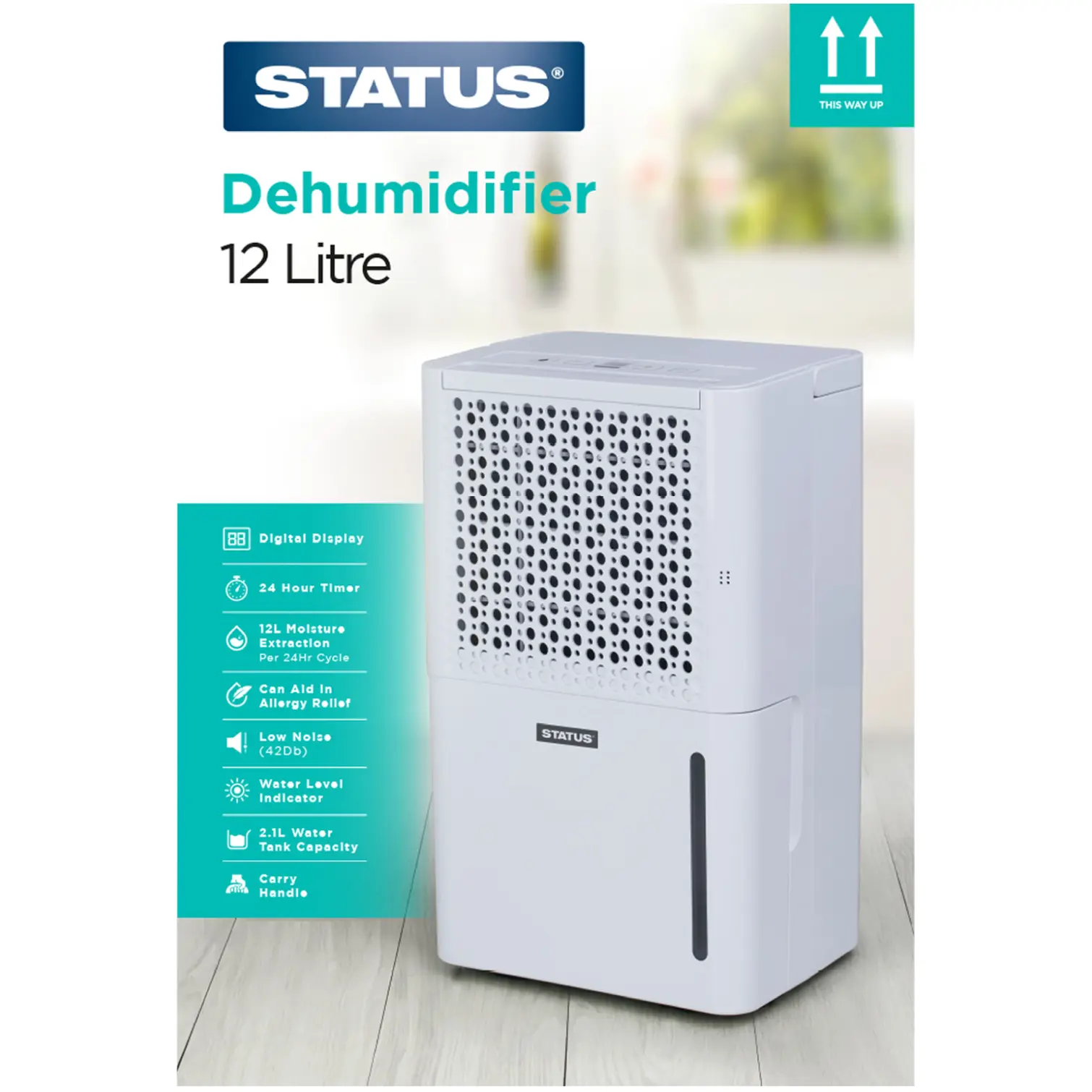
For a room with a genuine, ongoing damp problem, a powered dehumidifier does far more work than a passive trap, pulling several litres of moisture out of the air per day and tackling dampness, mould and mildew directly.
Stop draughts pulling in cold, damp air
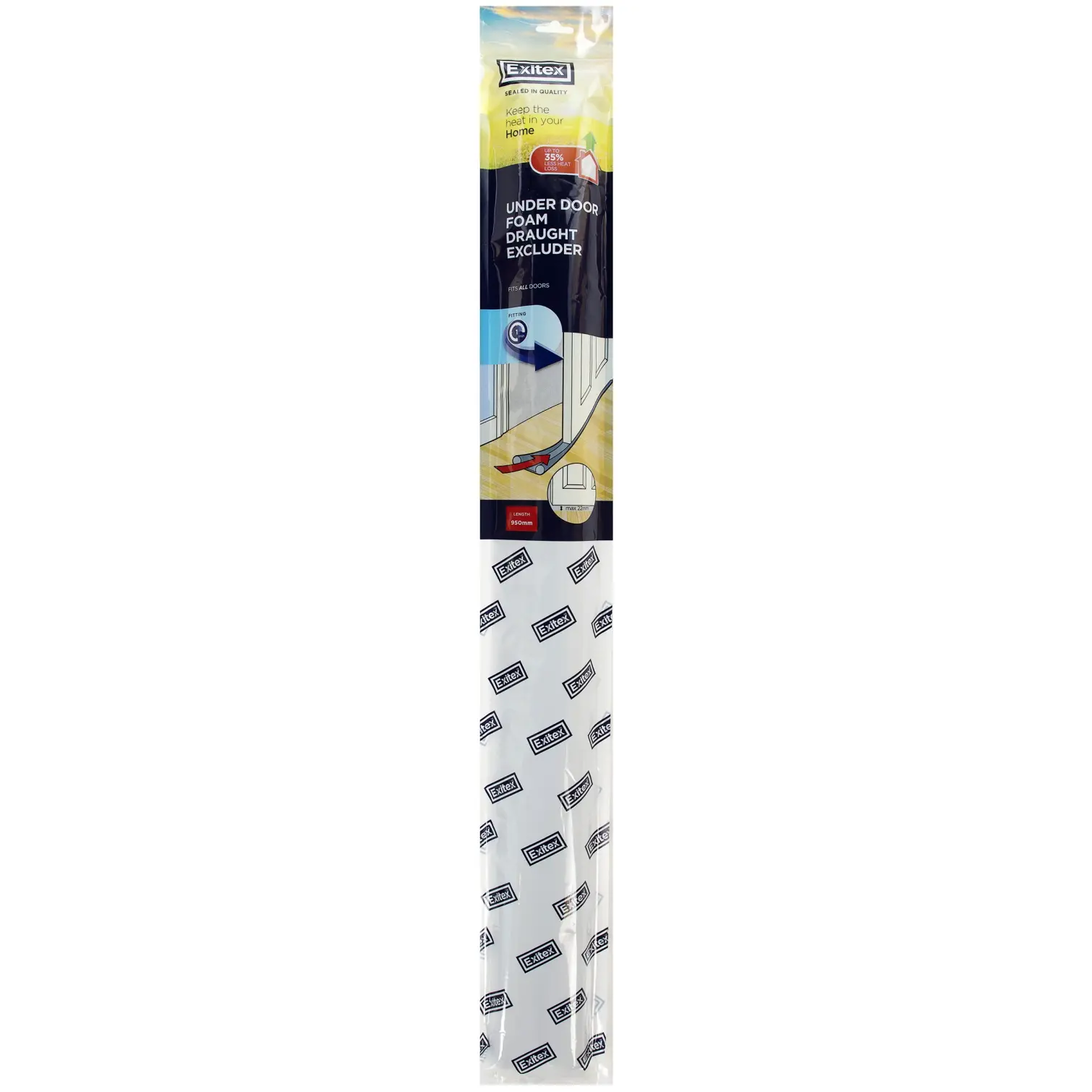
Cold draughts don’t just waste heat, they create the cold surfaces that warm, moist air condenses on. An under-door draught excluder and a window seal film reduce heat loss through gaps and single glazing.
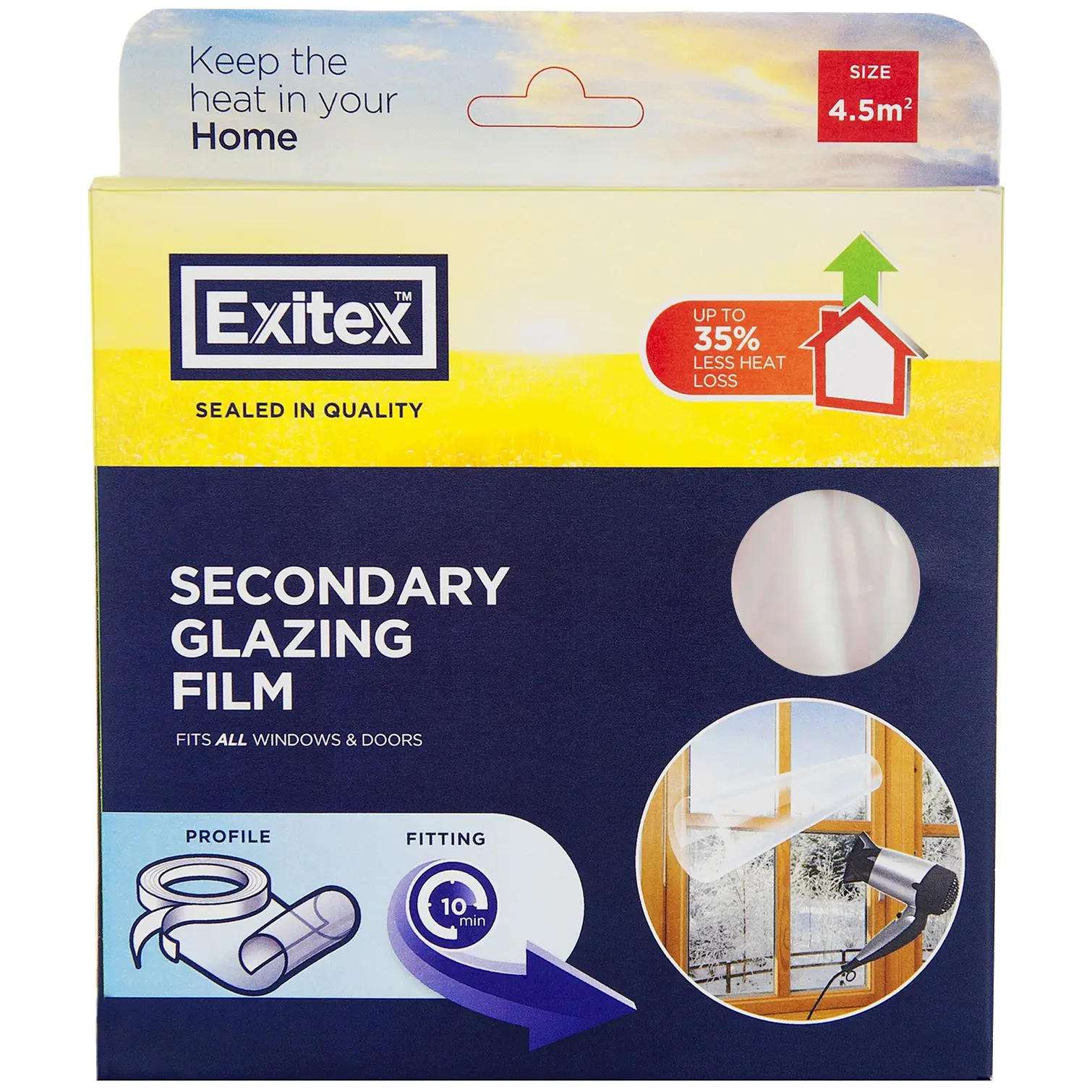
One important caveat: draught-proof gaps around doors and windows, but never block a room’s dedicated air vents or extractor fans. Those are there on purpose, to let excess moisture out. Sealing them up only pushes the condensation problem somewhere else.
A note on drying laundry indoors
As washing lines see less use, more laundry ends up drying on radiators or airers indoors, which pumps a surprising amount of moisture straight into the air. If you can’t dry outside, crack a window or run a dehumidifier in the room while wet washing dries, rather than closing the door and trapping all that moisture in one space. For the full routine, from the best airers to where to dry and how to stop condensation, see our guide to drying clothes indoors in winter without causing damp.
Part Two: Weatherproofing the house from outside
Clear and seal the gutters
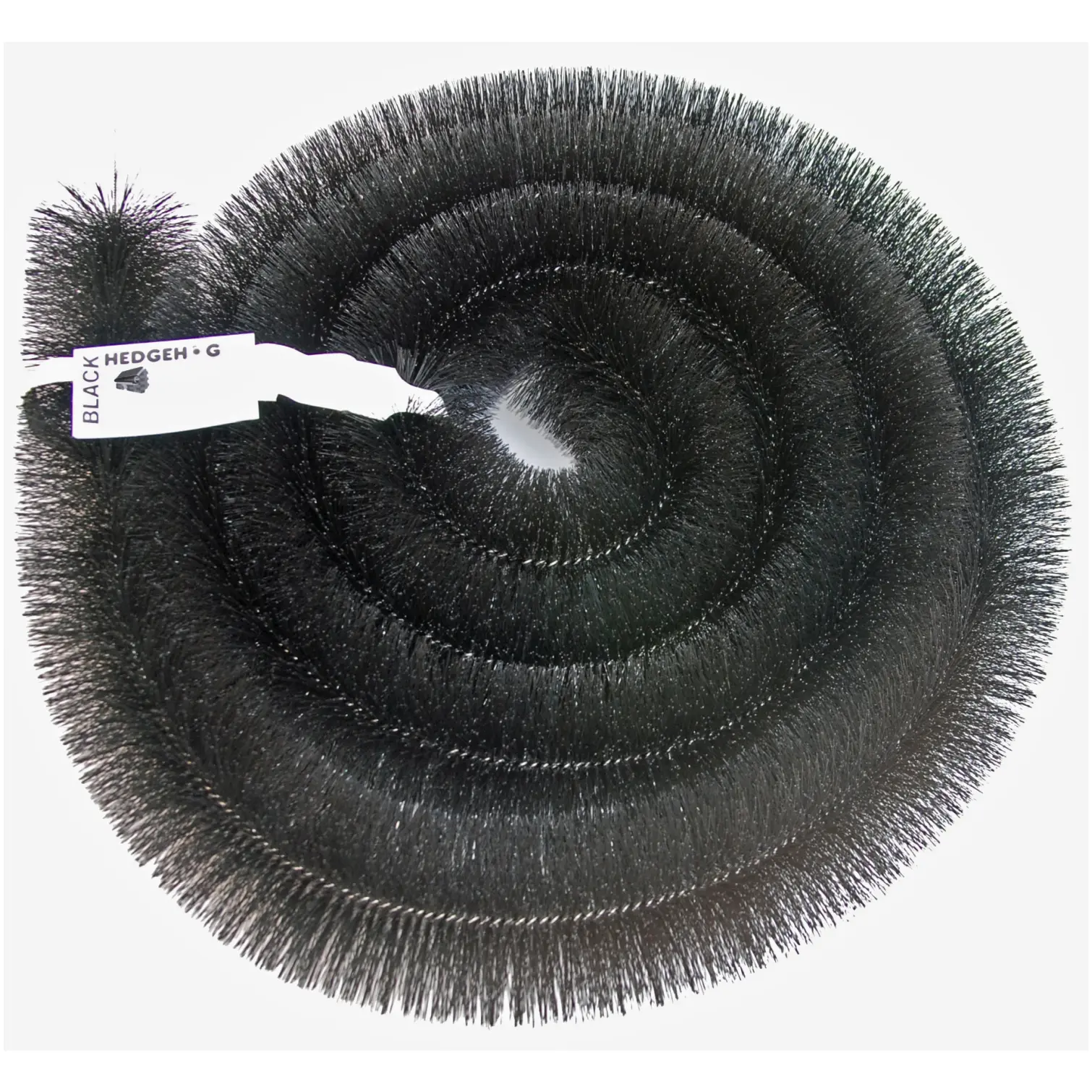
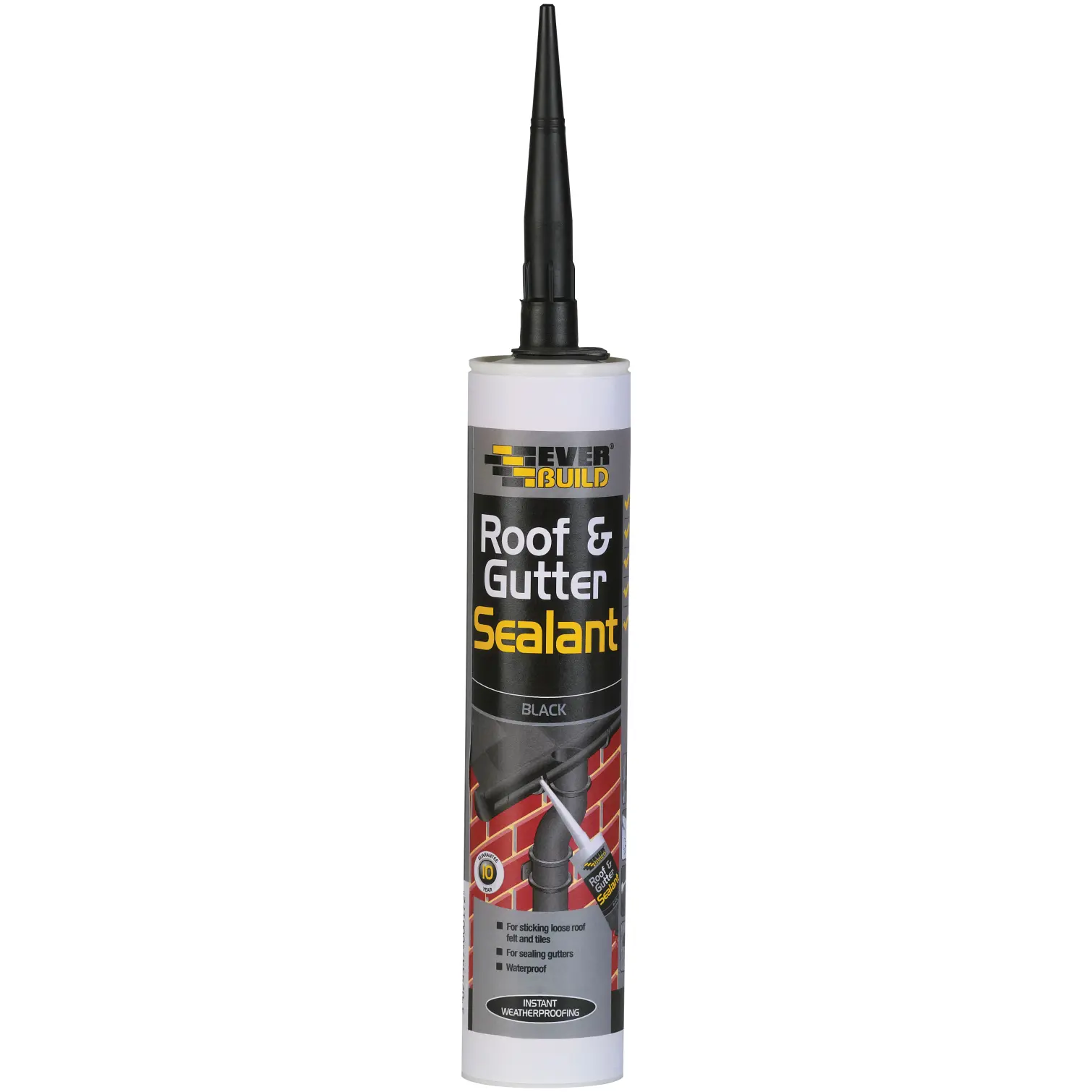
A gutter that’s clogged with leaves sends water straight down the wall instead of away from it. If you haven’t already fitted one, a gutter guard brush stops leaves settling in the first place. For a small leak at a joint or seam, a butyl-based roof and gutter sealant bonds to bitumen, asphalt, felt, metal and wood for an instant, permanent weatherproof seal.
Check and patch the roof
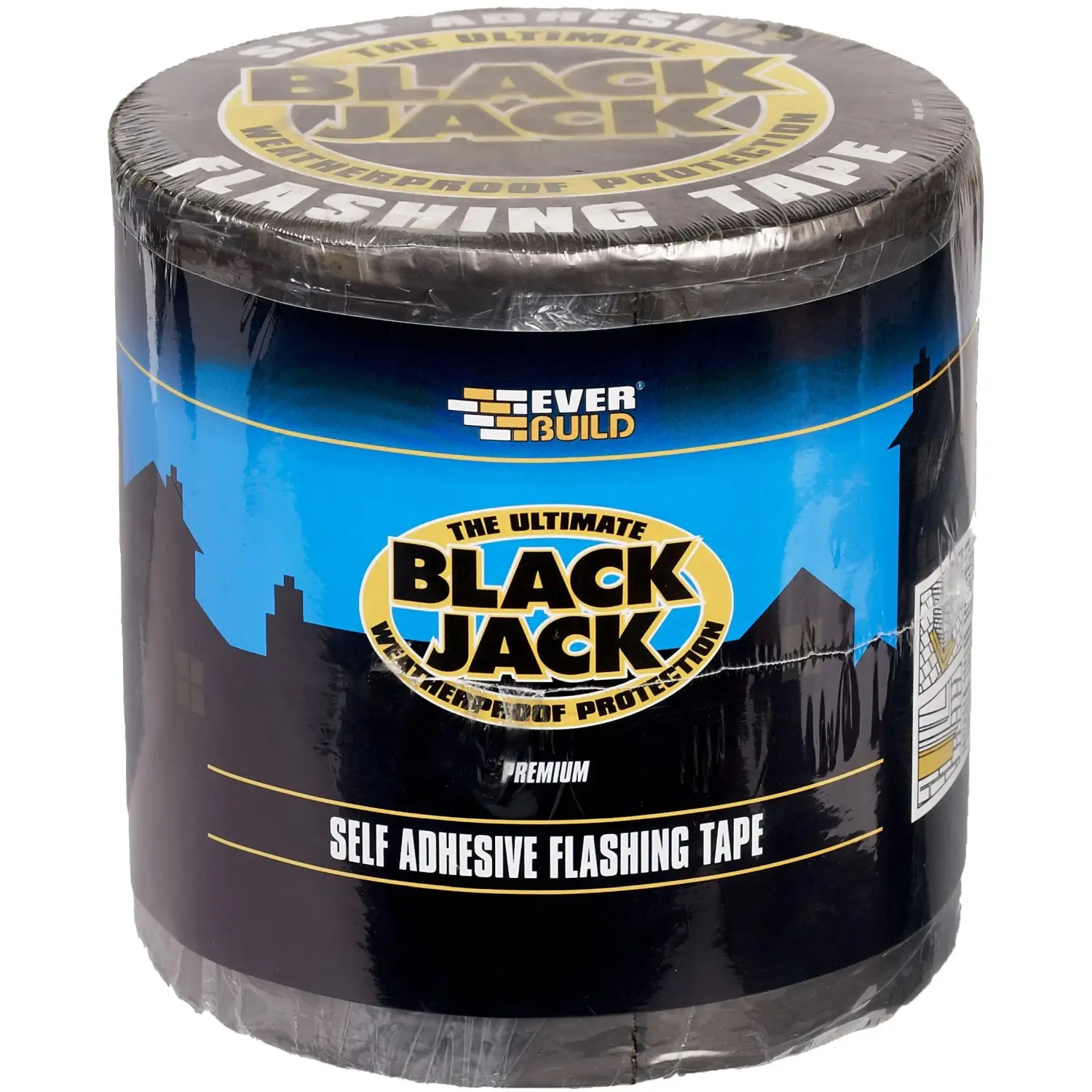
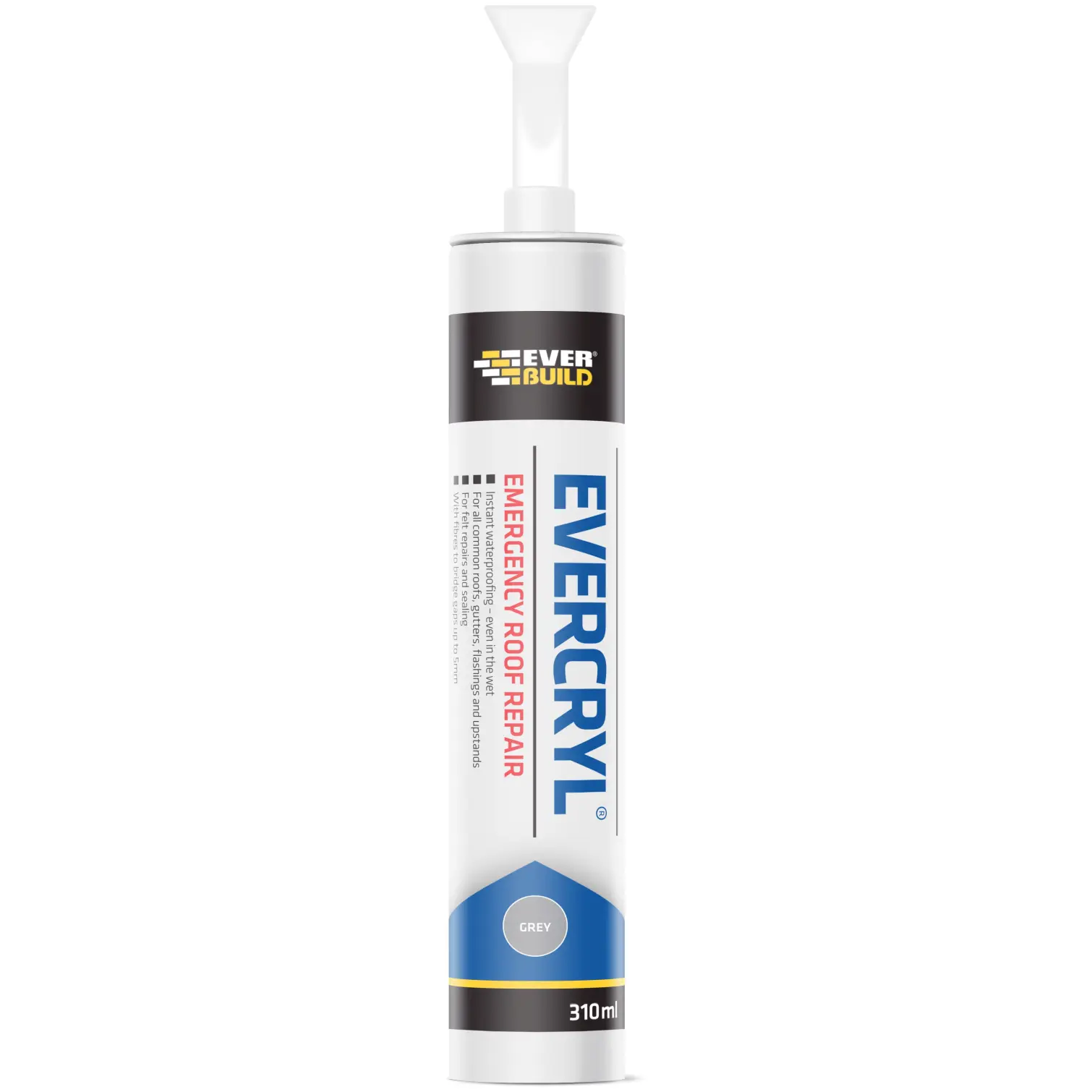
Before the worst of the winter weather arrives, it’s worth checking felt, flashing and joints for gaps. Self-adhesive flashing tape bonds to metal, plastic, concrete and roofing felt for roofs, gutters, downpipes and joints. For a damaged patch on the roofing surface itself, a resin-based, fibre-reinforced repair compound is designed to work even on wet surfaces, useful if you’re racing a forecast.
Waterproof flat roofs and low-level brickwork
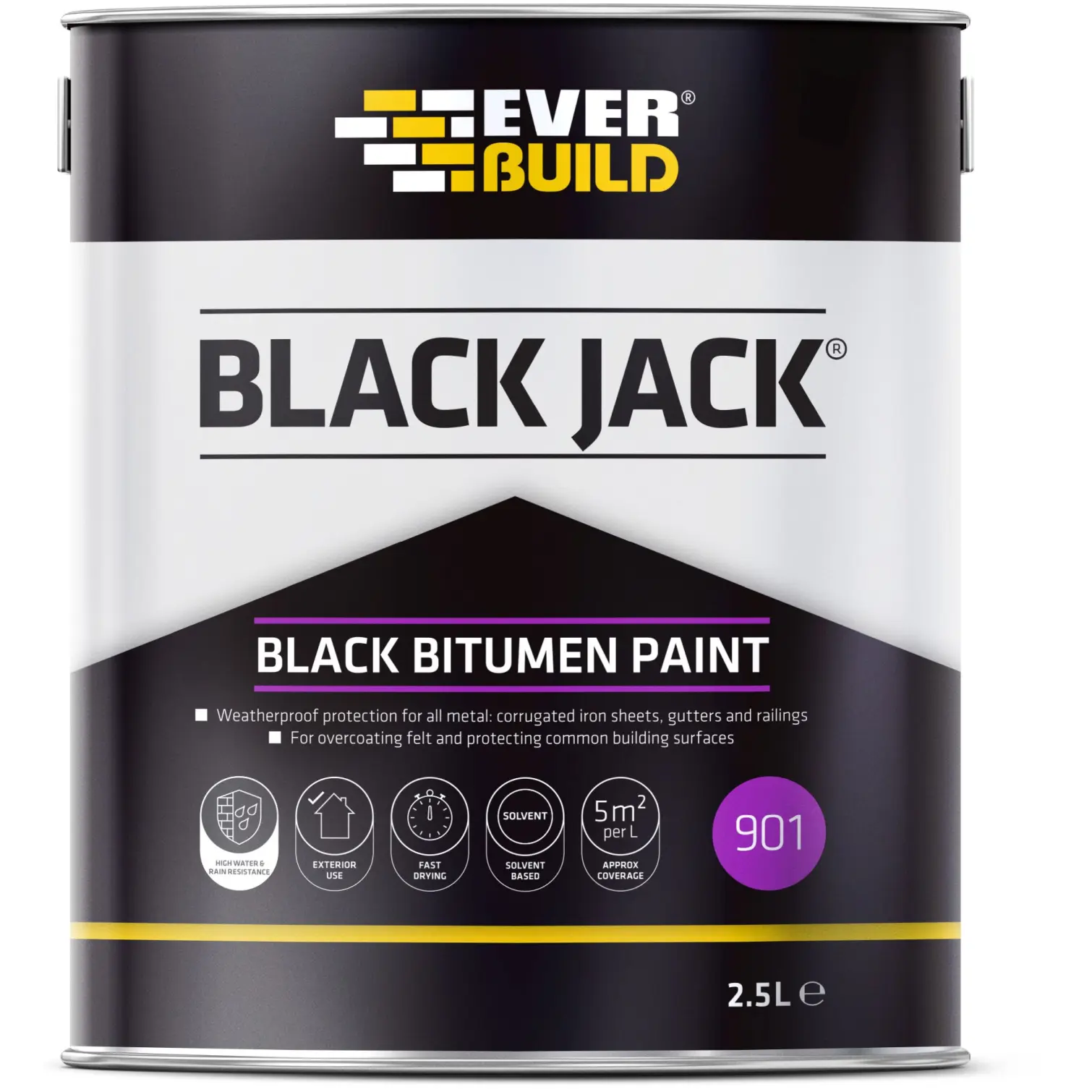
For flat roof sections, sheds or low-level brick and concrete that need proper waterproofing, a traditional black bitumen coating does the job, and is also available in smaller and larger sizes depending on the area you’re covering.
Repoint and reseal brickwork
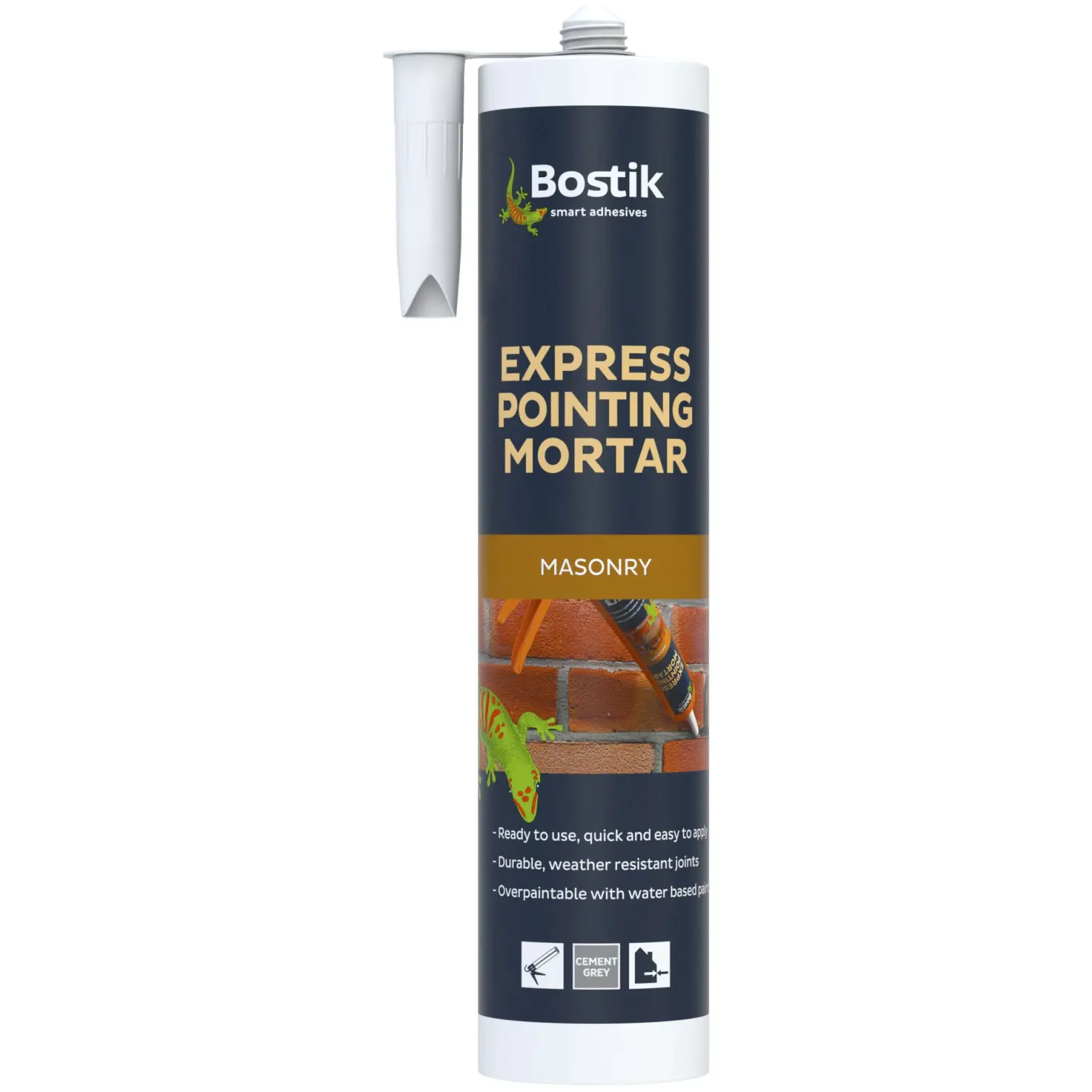
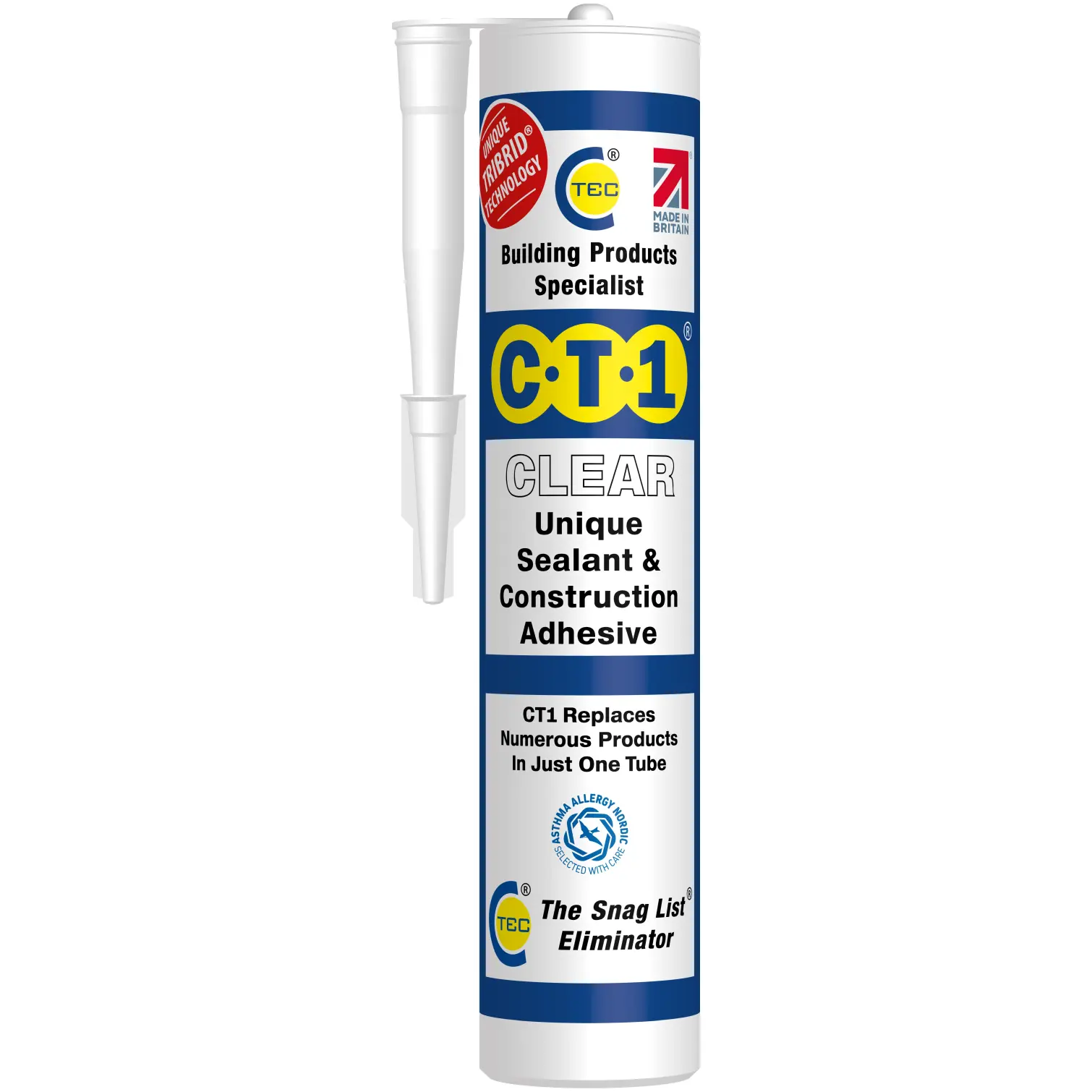
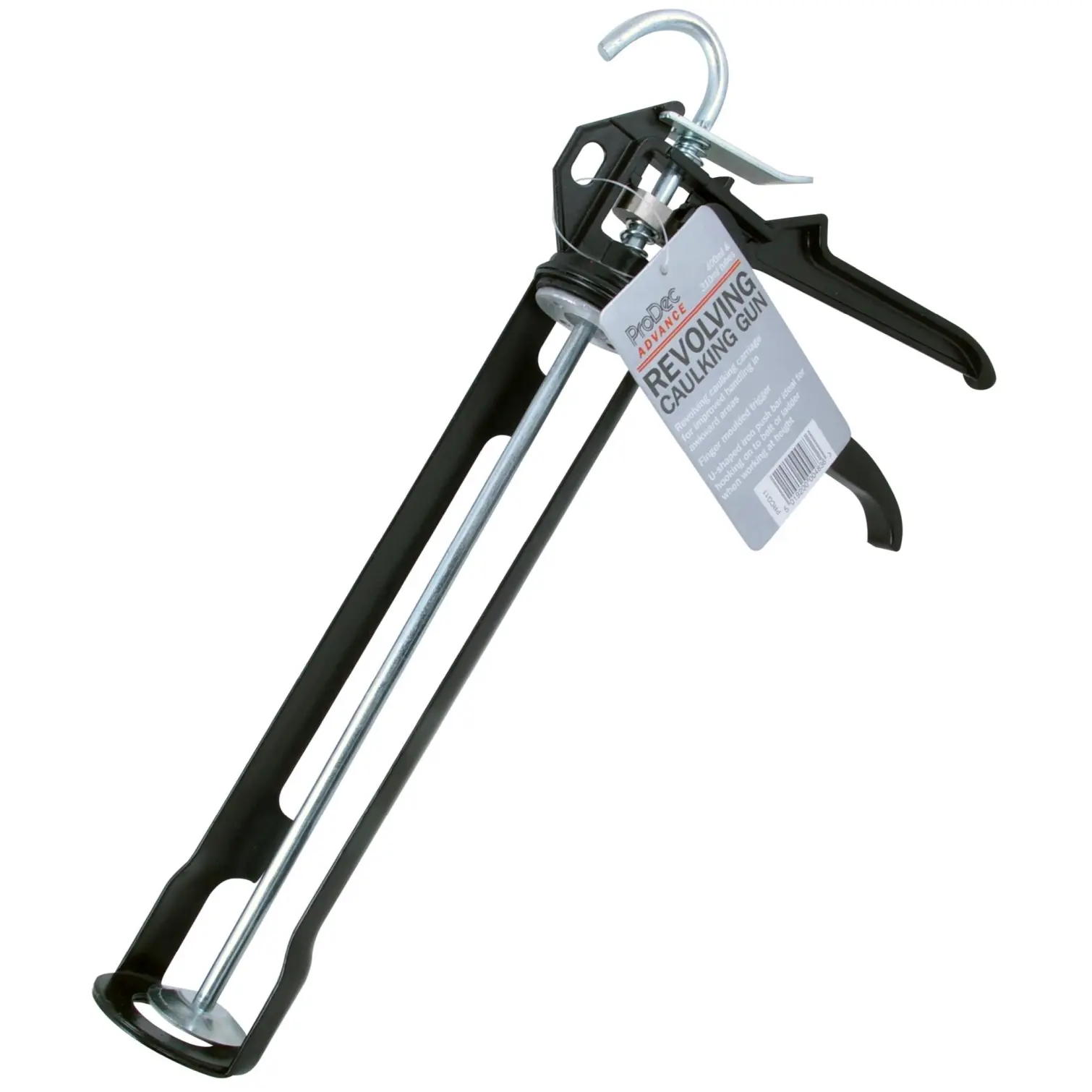
Gaps in mortar joints and around window and door frames are one of the most common ways rain gets into a wall. A ready-to-use pointing mortar repairs brickwork joints, while a hybrid polymer sealant bonds and seals wood, metal, glass, concrete and most plastics, useful for sealing around pipes, vents and frames where water can otherwise creep in. Both come in a standard cartridge, so you’ll need a sealant gun to apply them if you don’t already own one.
Repaint exterior walls with a weatherproof masonry paint
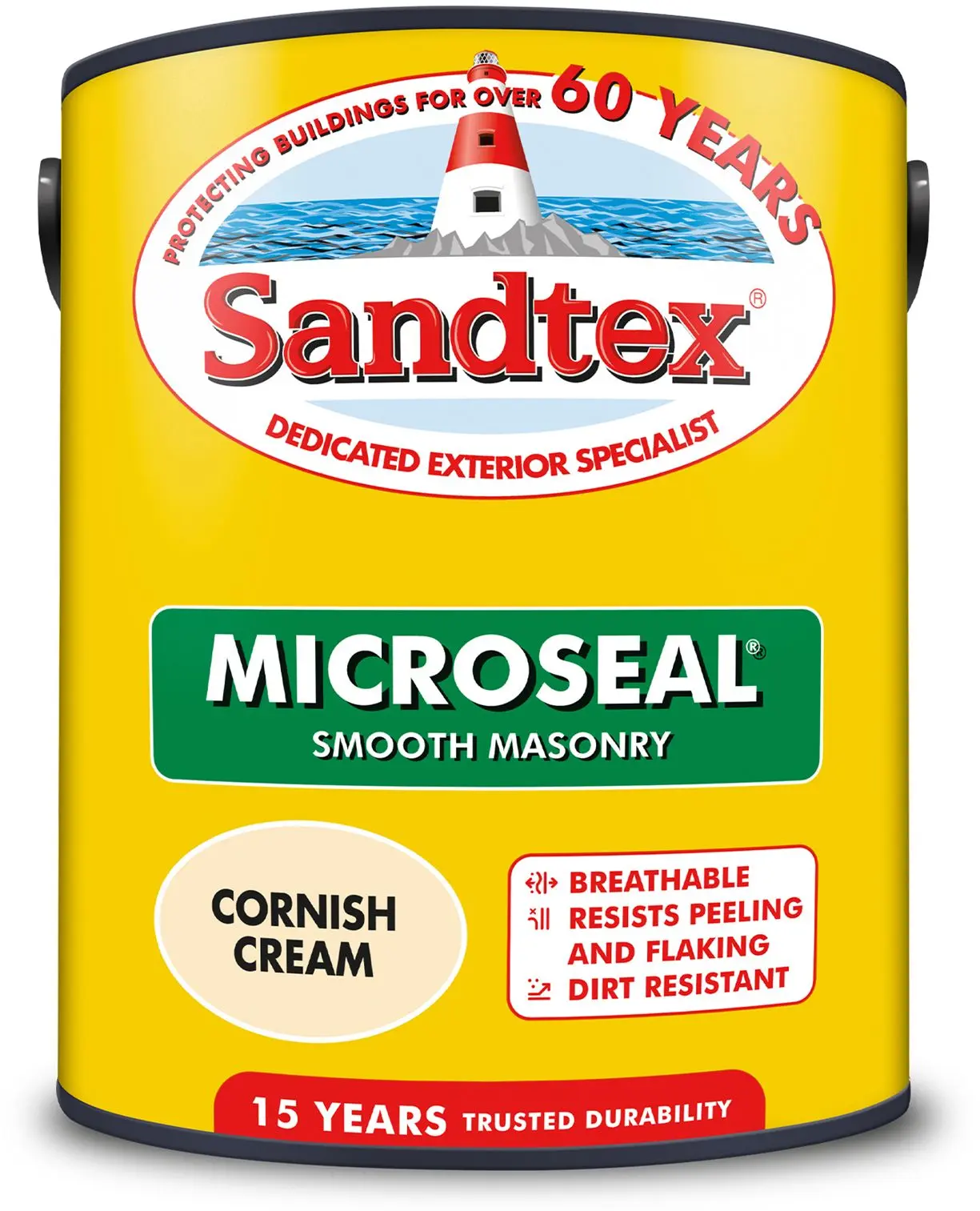
A tired, porous coat of masonry paint lets far more rain soak into a wall than a fresh one. Repainting exterior walls before the wettest months gives the brickwork underneath a much better chance of staying dry.
Treat exterior algae and protect exposed timber
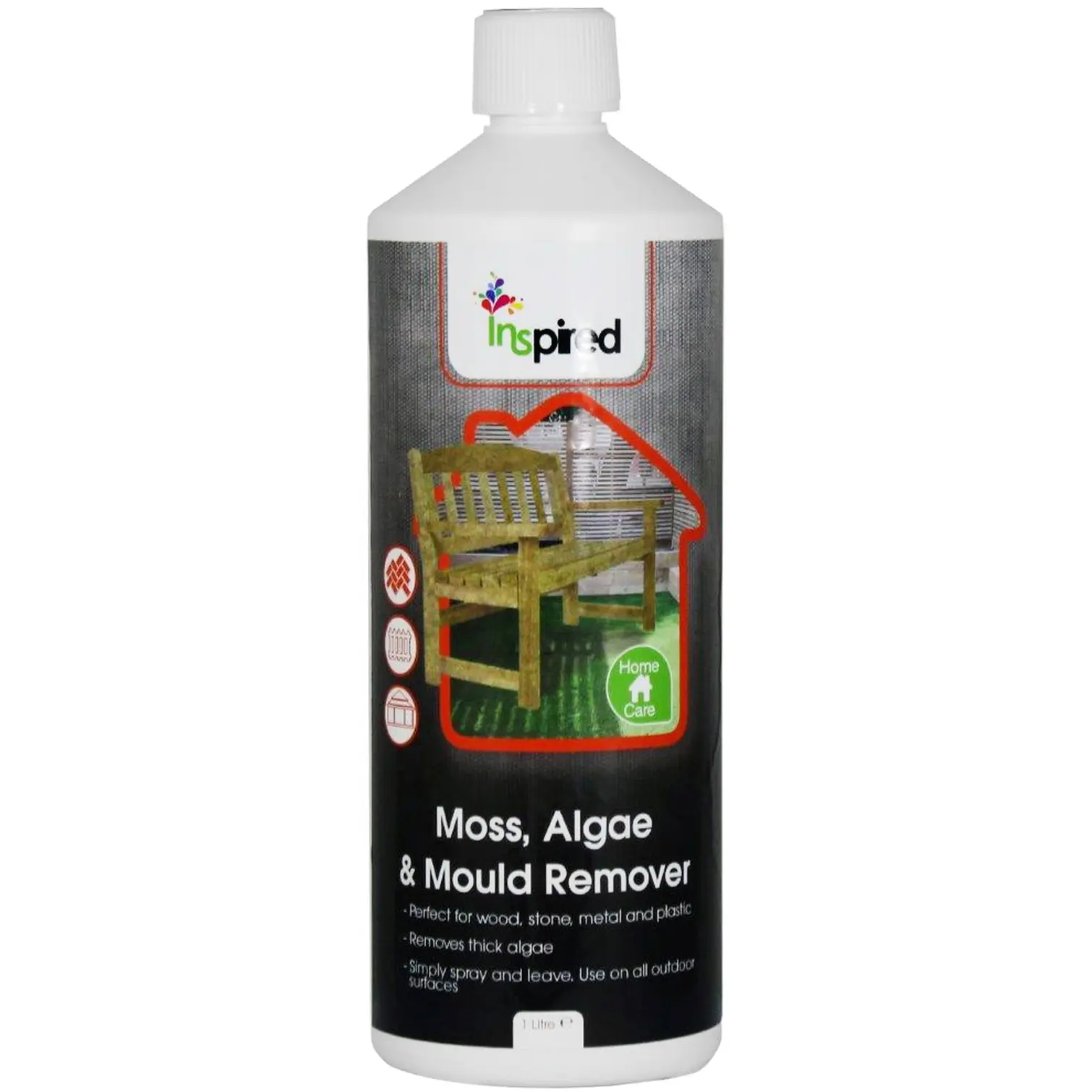
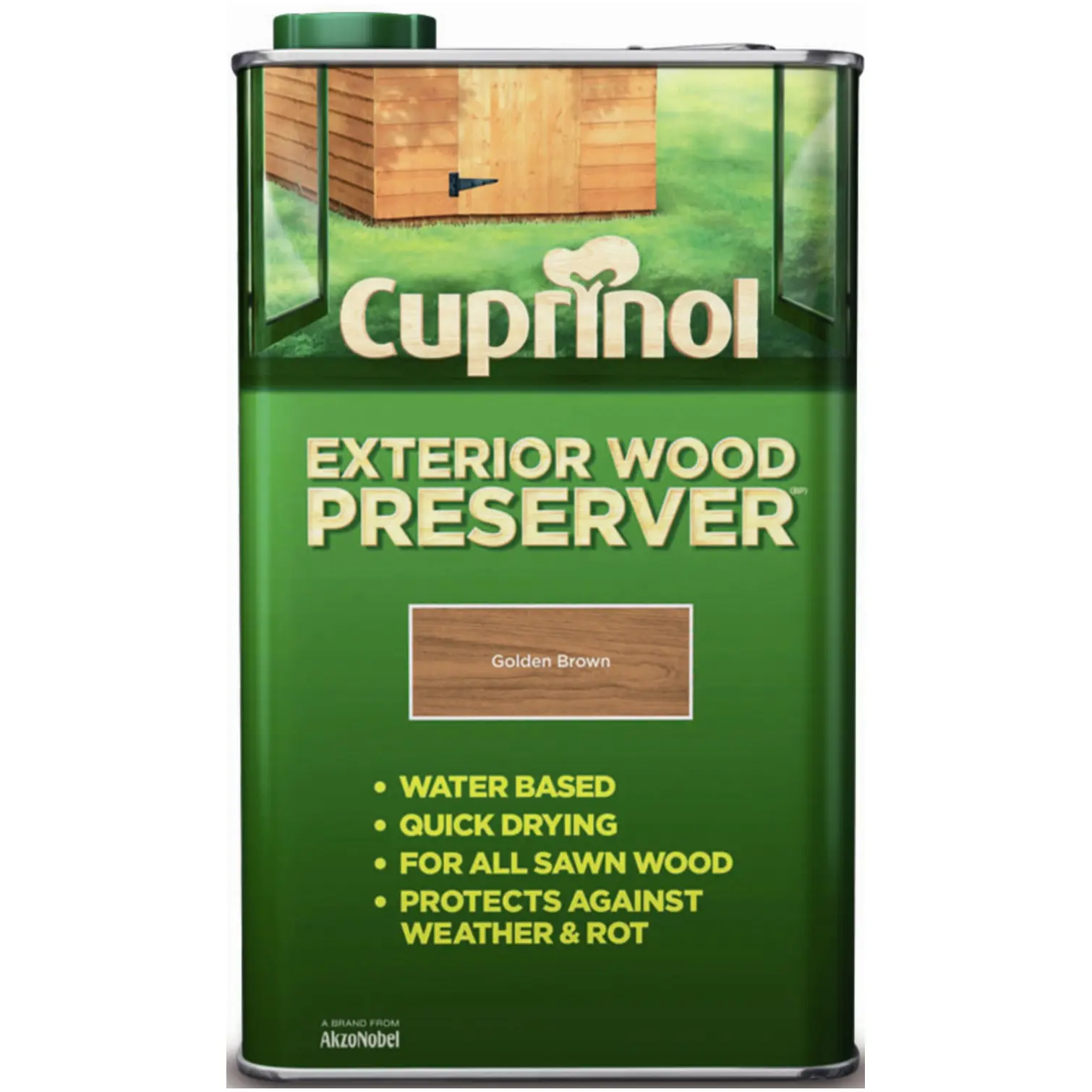
Green, slippery algae on paths, fences and walls holds moisture against the surface underneath it. A spray-and-leave treatment works on wood, stone, metal and plastic outdoor surfaces. For fences, sheds and cladding, an exterior wood preserver helps protect timber from the rot that untreated wood suffers when it’s left wet through a British winter.
Combinations that actually work together
- Draught-proof + dehumidify: seal a room’s doors and windows, then run a dehumidifier inside it. Warmer surfaces and drier air together mean far less condensation on the glass.
- Repoint, then repaint: fill and reseal mortar joints first, and only apply masonry paint once it’s fully cured. Paint alone can’t compensate for gaps still letting water through underneath.
- Guard the gutter, then check the roof: a gutter guard only helps if the water reaching it can actually get there. Check flashing and felt with flashband first, so rain reaches a gutter that can carry it away instead of finding a gap.
- Treat mould, then fix the cause: a mould killer clears what’s there today, but it comes back fast in an unventilated, undried room. Always pair mould treatment with better ventilation or a dehumidifier, not as a one-off spray and forget.
DIY tips for keeping moisture down
- Most exterior sealants, bitumen paint and masonry paint need a dry spell to cure properly. Check the forecast for at least 24 hours of dry weather before starting outdoor sealing or painting jobs.
- Ventilate the room and wear gloves when using mould killer sprays, particularly in a small bathroom with the door shut.
- Don’t paint or decorate over a damp patch until you’ve actually fixed what’s causing it. Covering a stain doesn’t stop the moisture behind it.
- Let flashband and bitumen coatings cure fully before they’re exposed to heavy rain, following the pack’s guidance on curing time.
- Test wood preserver and masonry paint on a small, unobtrusive area first to check the finish before covering a whole wall or fence.
Blocking old damp stains before you redecorate
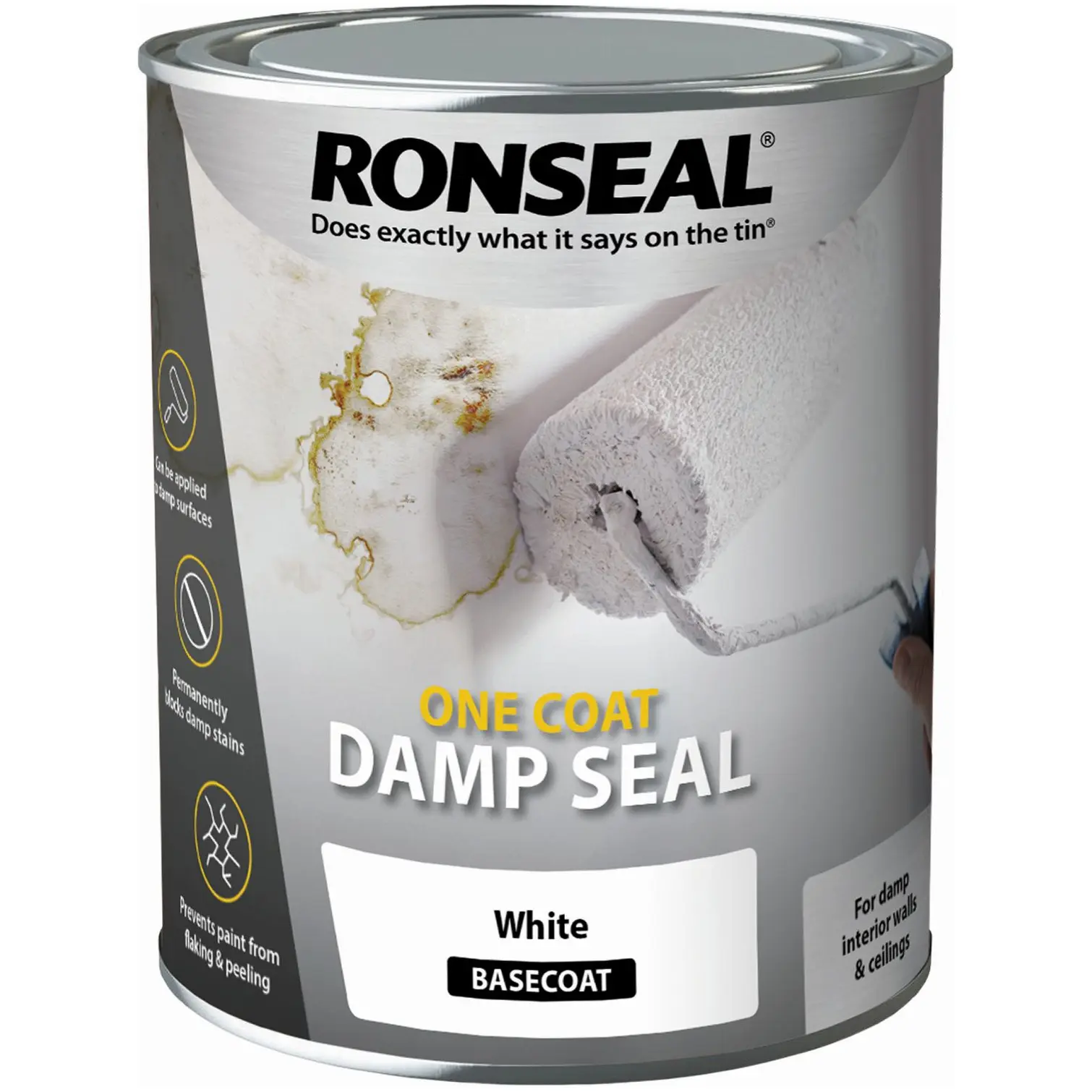
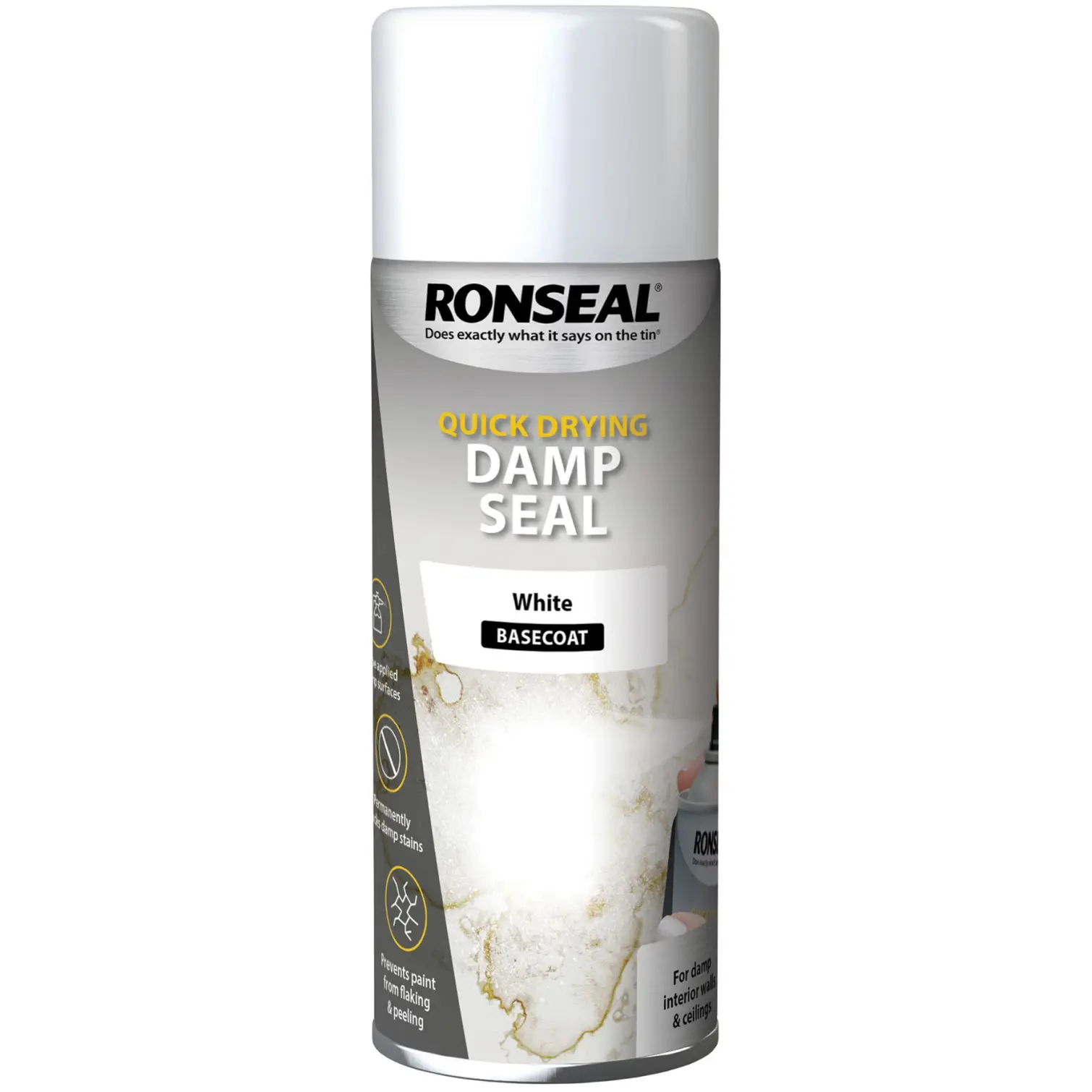
Once the actual cause of a damp patch is fixed, old staining can still show through fresh paint. A one-coat damp seal blocks the stain permanently and is ready to paint over in 4 hours, or for a small patch, a quick-drying aerosol version does the same job from a spray can.
Frequently asked questions
What causes damp and condensation in autumn specifically?
Heating going back on, windows staying shut, and more indoor moisture from cooking, showering and drying laundry all combine with colder outside temperatures, so warm moist air condenses on cold surfaces more than it does in summer.
Can I just paint over a damp patch to hide it?
Only once the underlying cause is fixed. A product like Ronseal One Coat Damp Seal is designed to block old damp stains from bleeding through fresh paint, but it isn’t a substitute for stopping the actual source of the damp, whether that’s a leak, poor ventilation or a brickwork issue outside.
Do I need a dehumidifier if I already have moisture traps?
Passive moisture traps work well for smaller, enclosed spaces like wardrobes and cupboards. For a room with a persistent, ongoing damp or condensation problem, a powered dehumidifier removes far more moisture and is the better tool for the job.
Is it safe to block up an air vent to stop draughts?
No. Air vents and extractor fans are there specifically to let excess moisture escape. Draught-proof gaps around doors and windows instead, and leave dedicated ventilation clear.
What’s the best time of year to do exterior waterproofing jobs?
Early autumn, while there are still reasonably long dry spells, gives sealants, bitumen and masonry paint the best chance to cure properly before the wettest weather of the year arrives.
Shop Damp & Moisture Control Essentials