
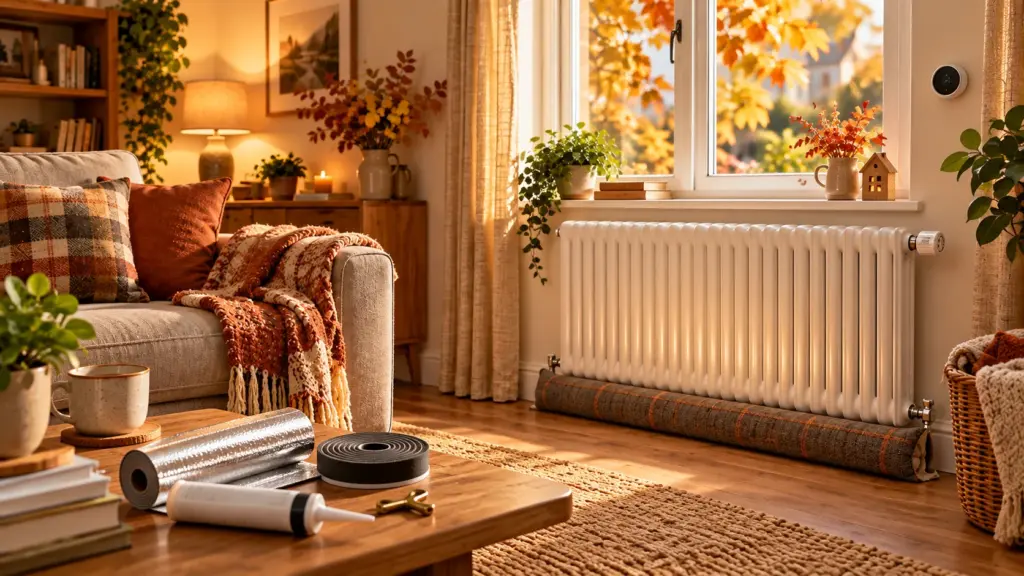
The heating’s about to go back on, and with it comes the annual question: how do you actually keep the house warm without the bills climbing every month? Most of the heat loss in a typical home comes down to a handful of fixable gaps and habits. Here are 10 easy jobs that make a real difference, in the order it’s worth tackling them.
1. Bleed your radiators
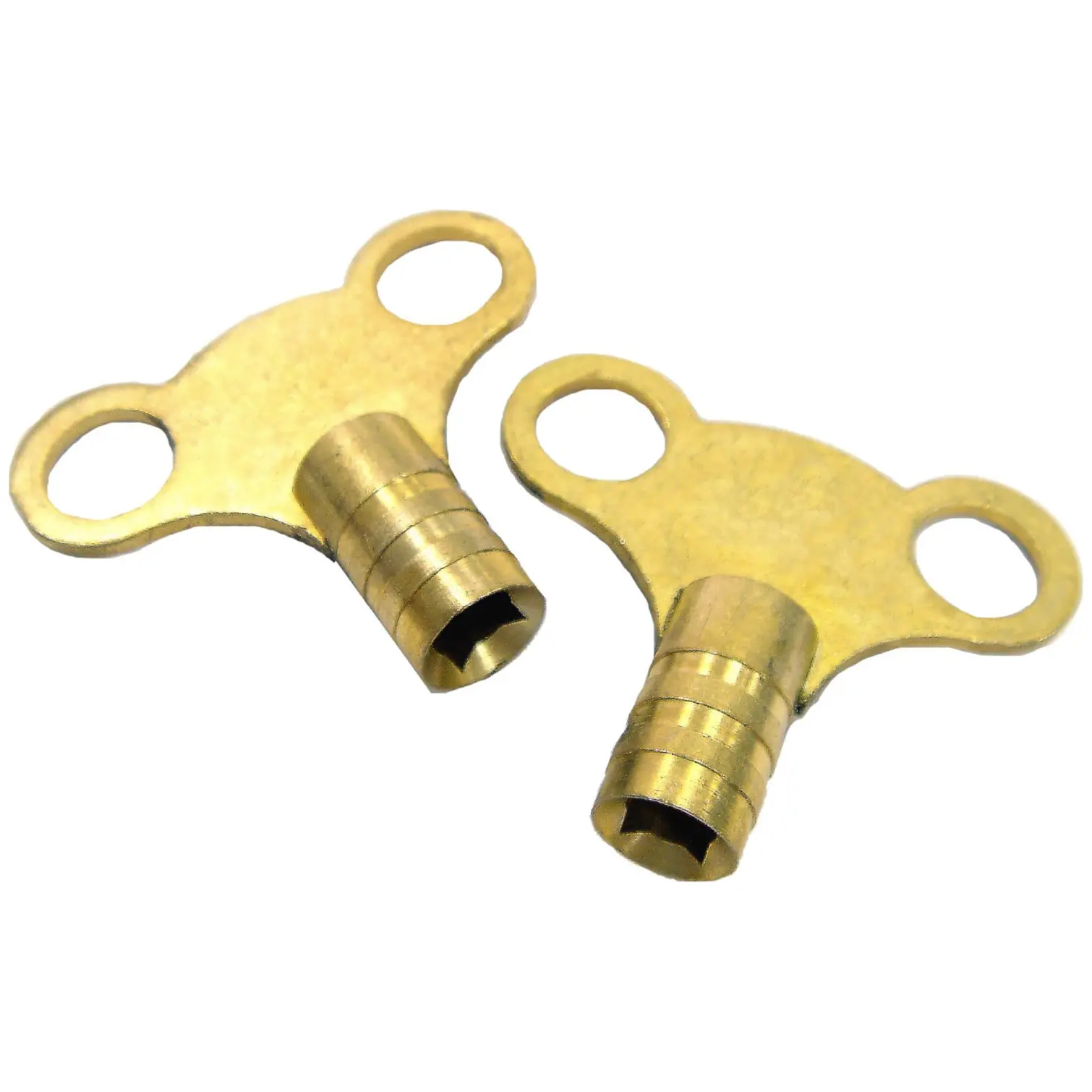
If the top of a radiator stays cool while the bottom heats up, there’s trapped air inside stopping it working properly. A radiator key lets you release that air in a couple of minutes per radiator, so the whole thing heats evenly and your boiler isn’t working harder than it needs to.
2. Reflect heat back into the room
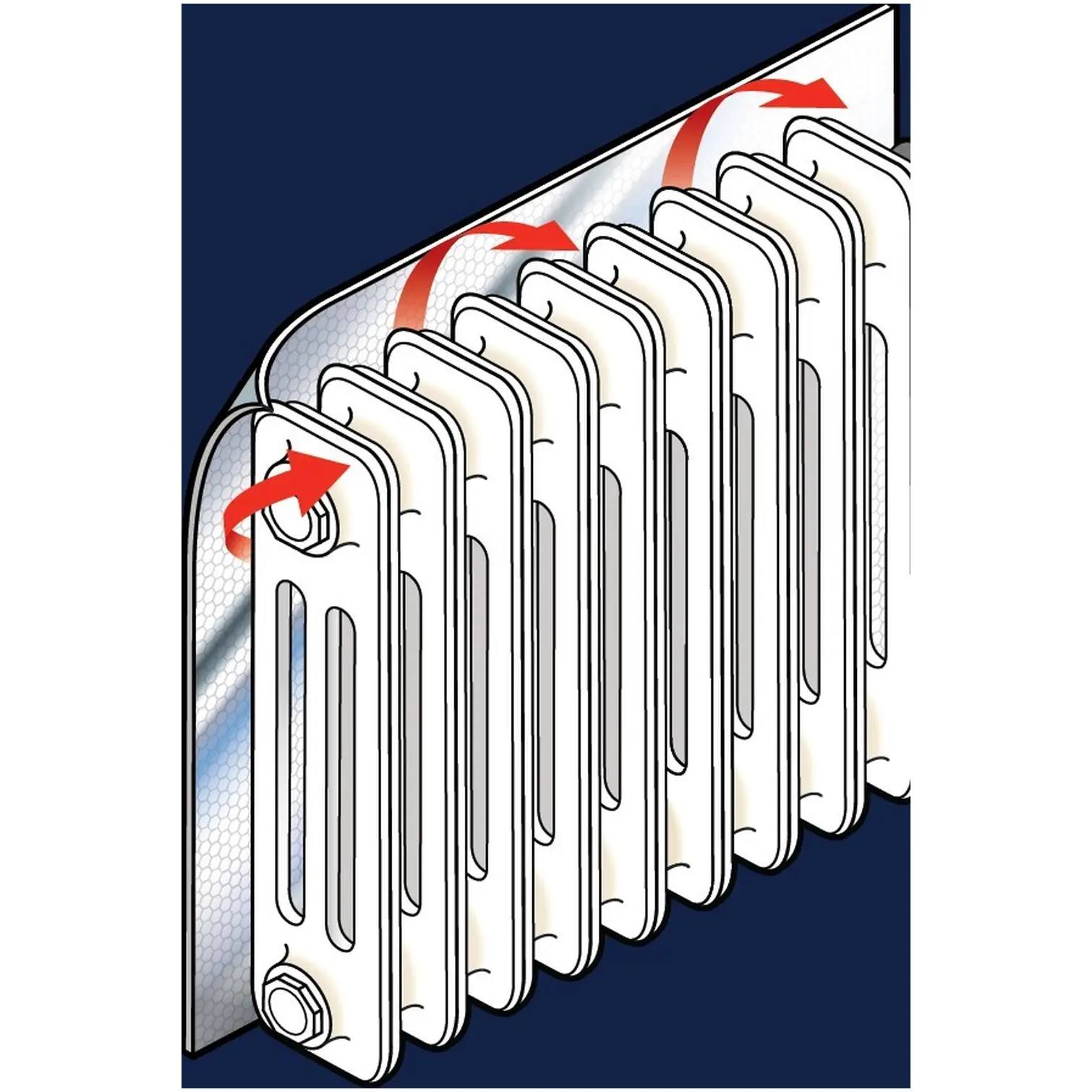
A radiator fitted to an external wall loses a chunk of its heat straight through the brickwork behind it. Radiator reflector foil fits behind the radiator and reflects that heat back into the room instead of into the wall.
3. Draught-proof your external doors
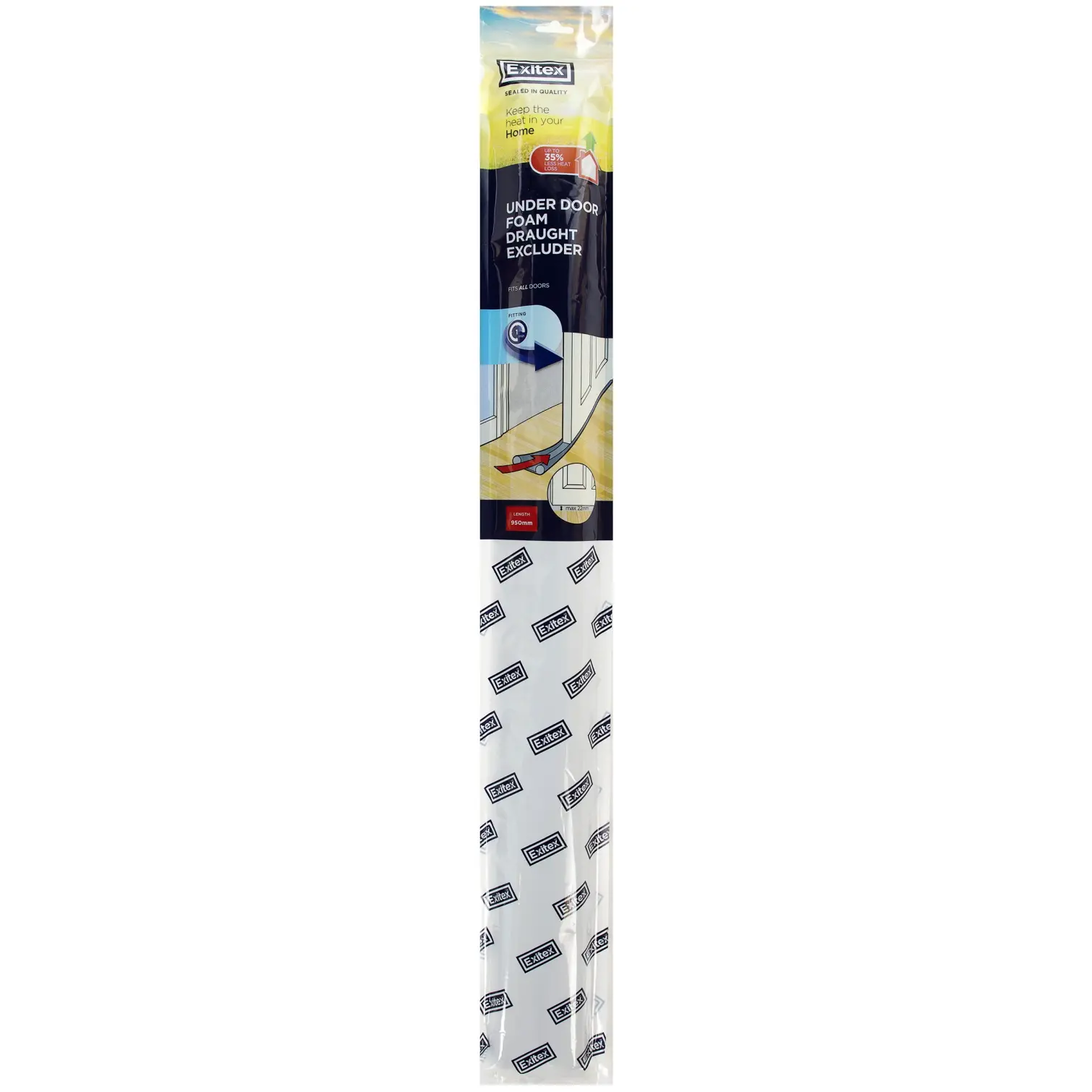
A gap under an external door is one of the simplest ways warm air escapes. An under-door draught excluder is a foam strip that fits under internal and external doors alike, cutting the draught in minutes.
4. Give single-glazed windows a secondary-glazing boost
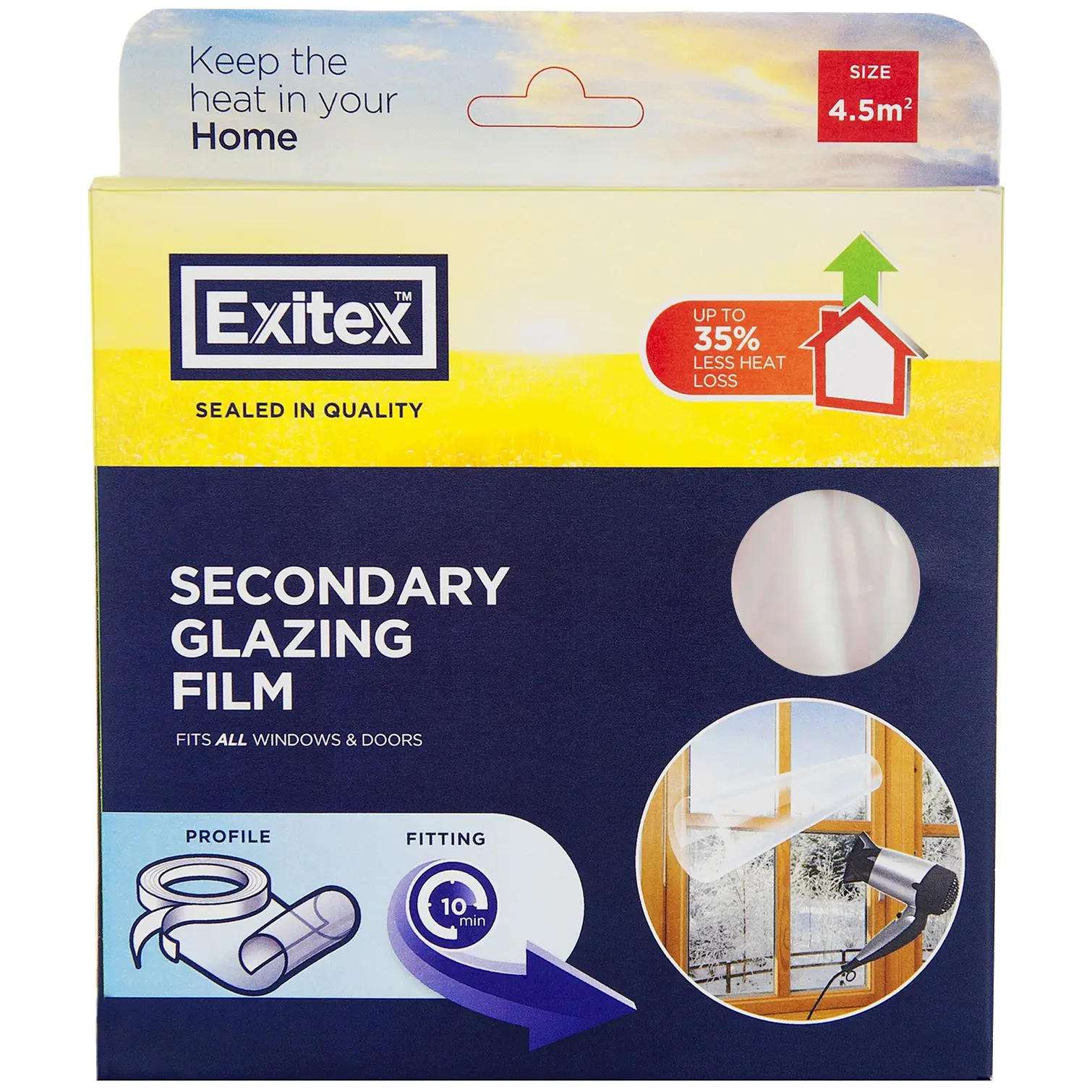
If you’ve got single glazing you’re not ready to replace, a window seal film and tape creates a secondary-glazing effect using film and double-sided tape, cutting heat loss through the glass for the cost of an afternoon’s work.
5. Fill the gaps and cracks that let warm air escape
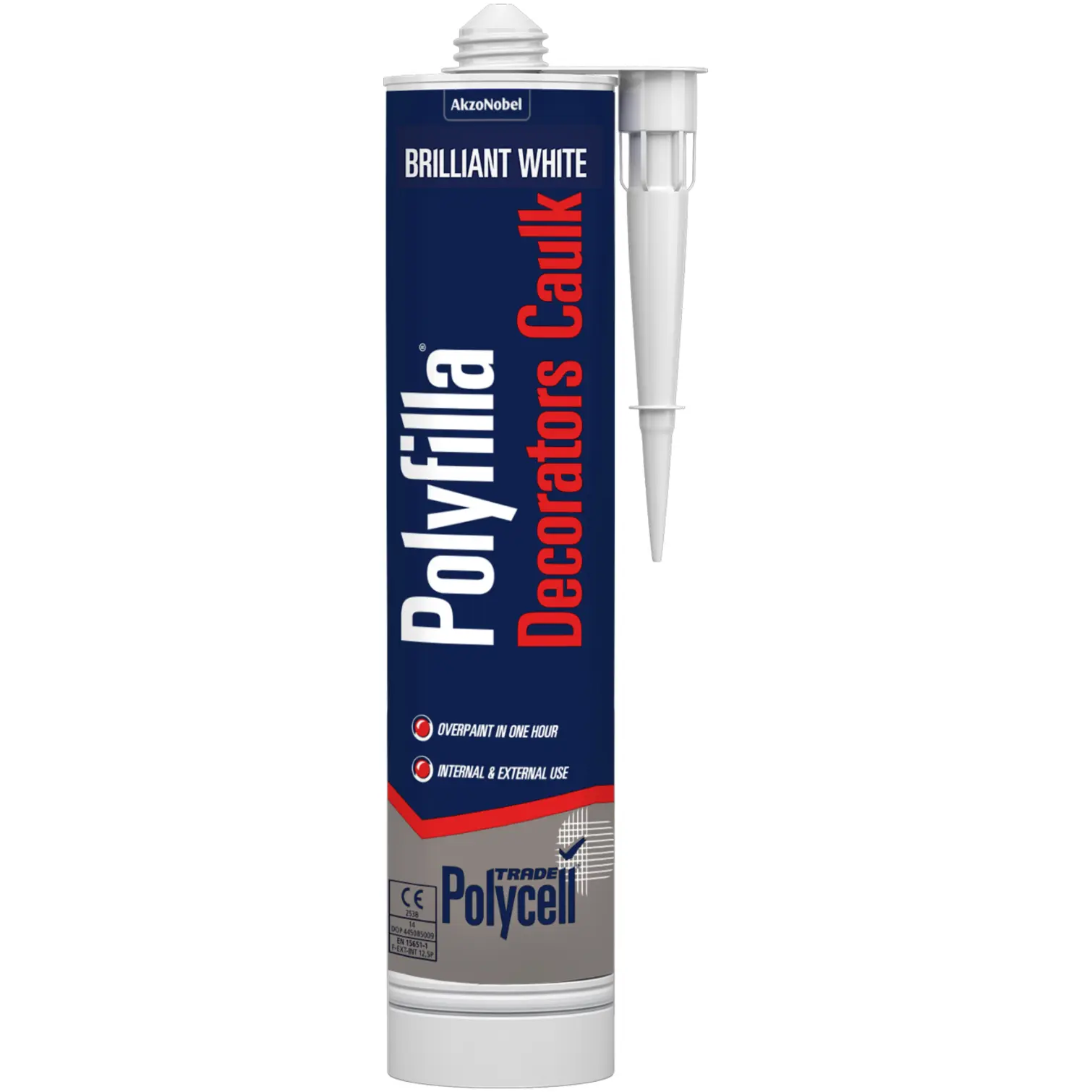
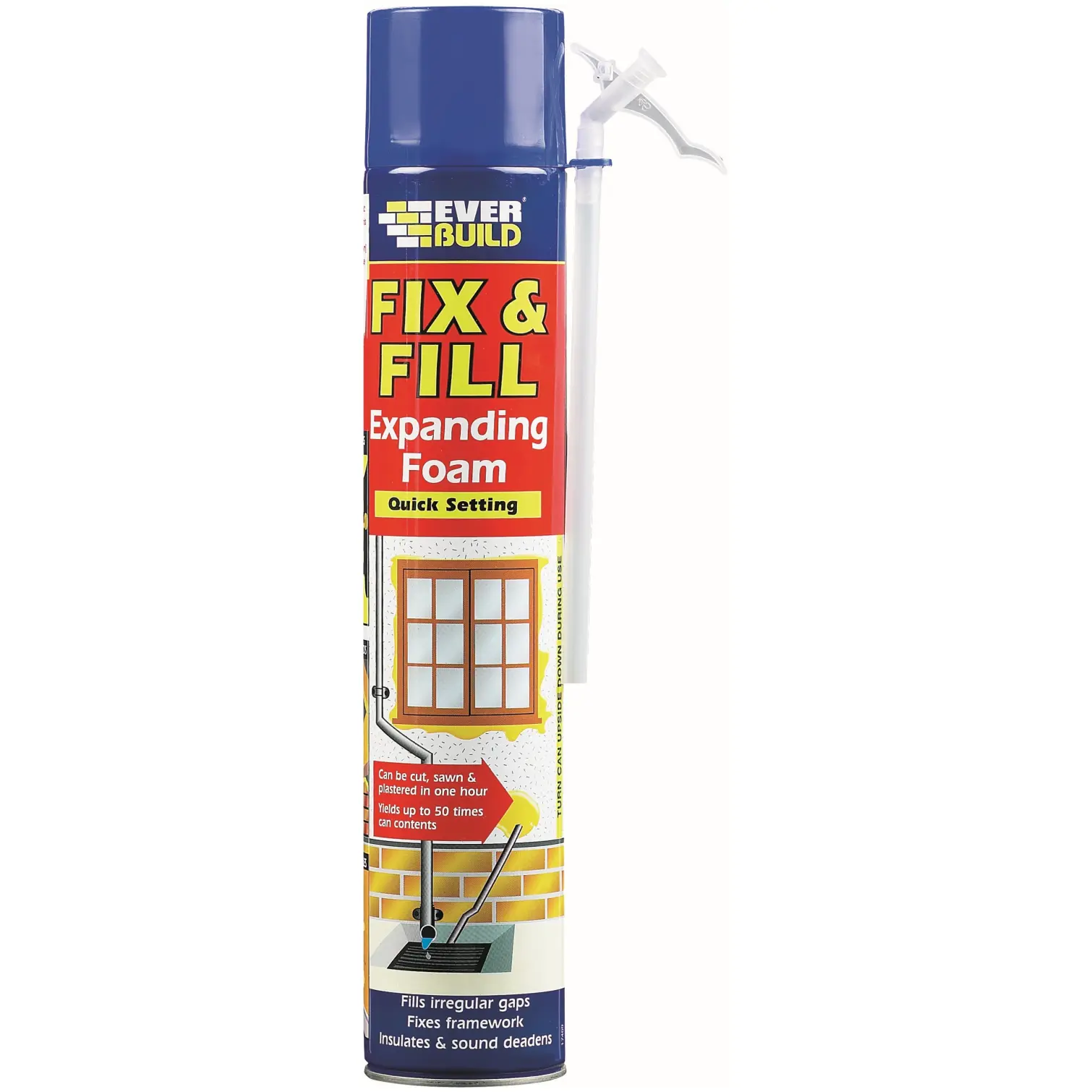
Small cracks around skirting boards, door frames and coving add up to a surprising amount of heat loss. Decorators caulk is a flexible acrylic sealant for exactly these gaps, paintable in as little as an hour. For anything bigger, like a gap around a pipe entering the house or a larger void in a frame, expanding foam fills irregular gaps and insulates as it sets.
6. Check your loft insulation
Heat rises, and an under-insulated loft is one of the biggest sources of heat loss in an older home. Current guidance for most UK homes is around 270mm of loft insulation. If yours looks noticeably thinner than that, or has gone patchy and compressed over the years, topping it up before winter is one of the most effective jobs on this list, even though it isn’t glamorous work.
7. Lag exposed pipes and your hot water cylinder
Any hot water pipe running through an unheated loft or garage is losing heat the whole time water sits in it, and an unlagged cylinder loses heat constantly just standing there. Wrapping exposed pipework and fitting a jacket to an older cylinder keeps that heat where you’re paying for it, in the water, not the loft.
8. Heat the room you’re in, not the whole house
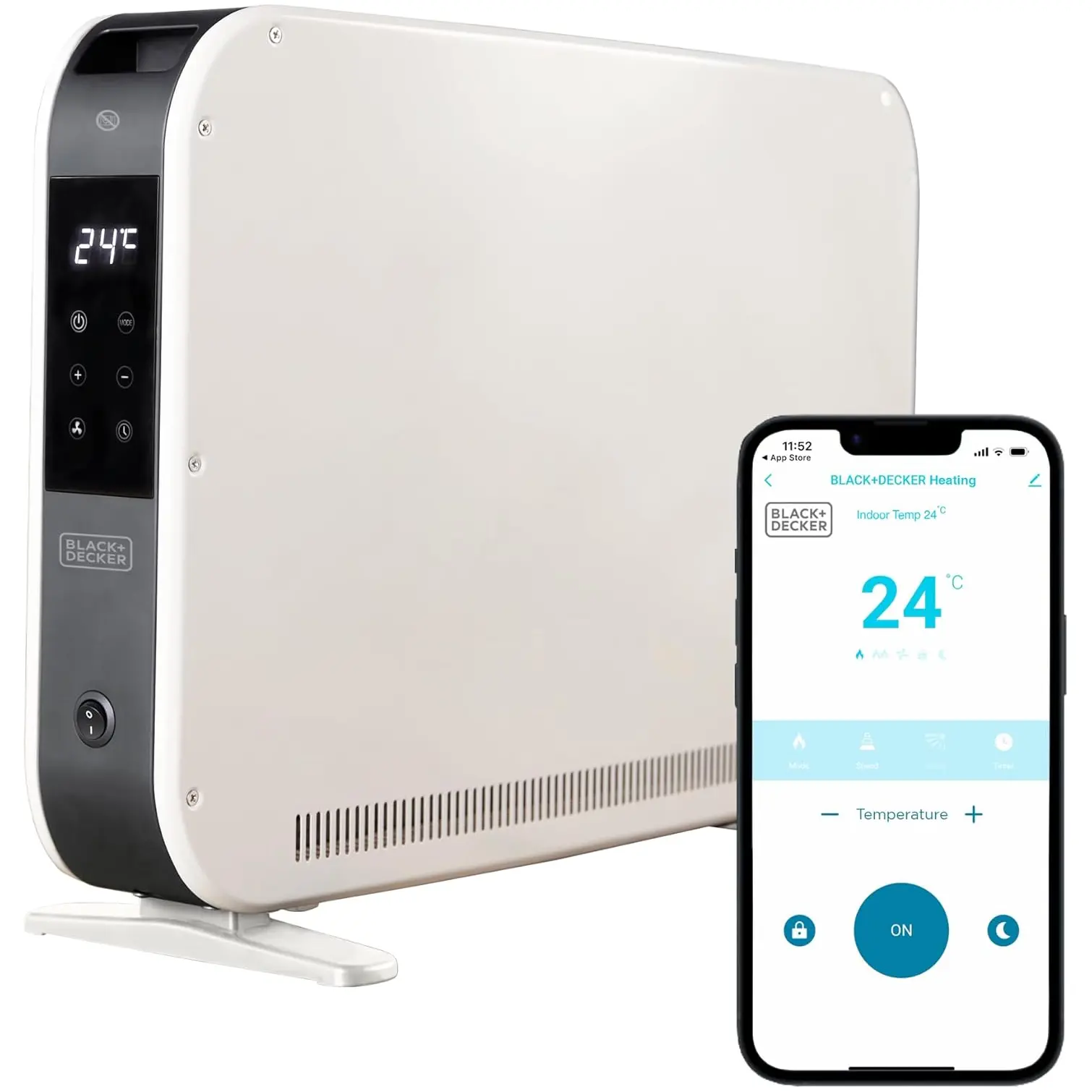
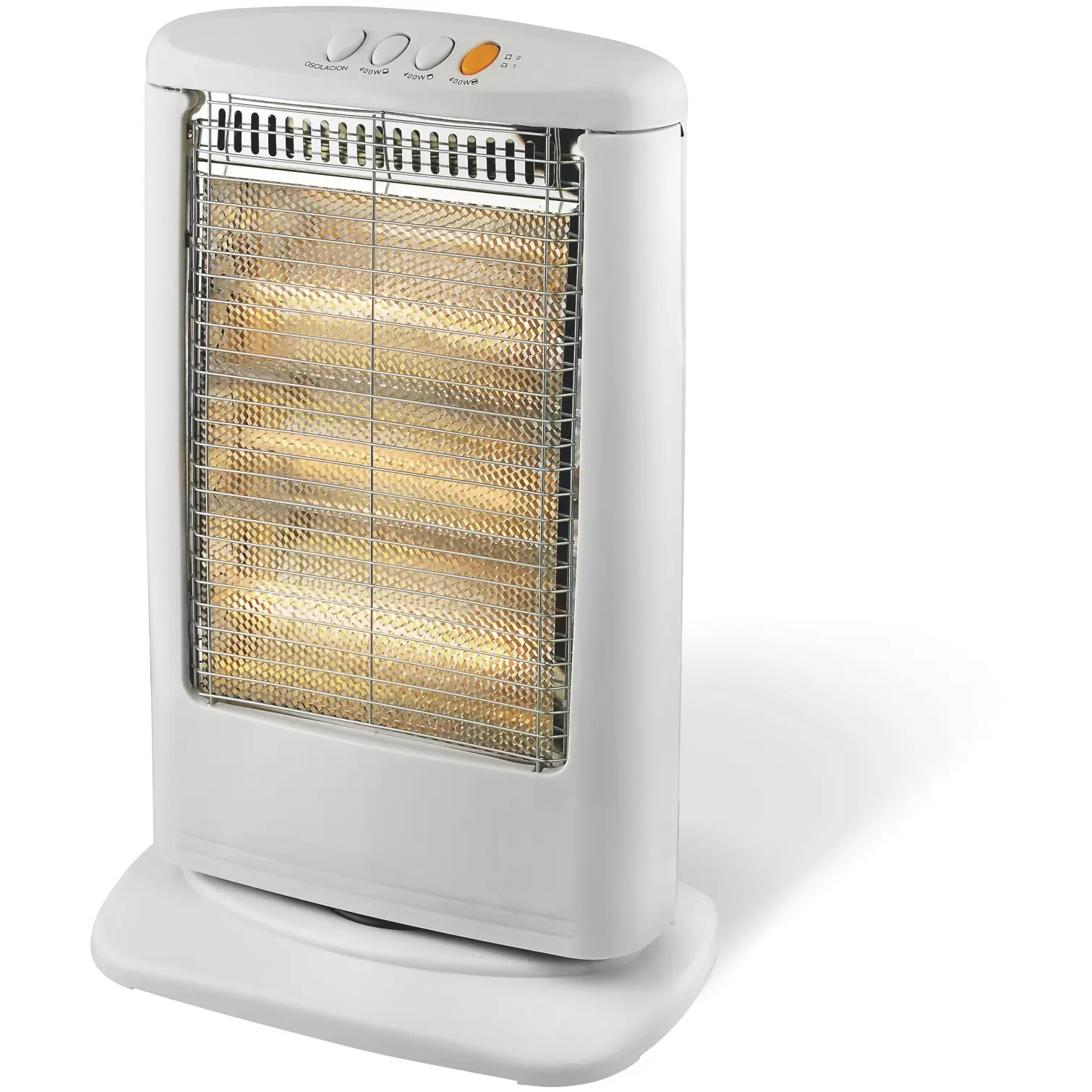
Running the central heating to warm one room you’re using in the evening is expensive. A smart convector heater heats a single room quickly, with app, Alexa and Google Home control so you’re not leaving it running in an empty room by mistake. For a cheaper, simpler option, a halogen heater gives near-instant spot heat. Not sure which type to buy? Our guide to the cheapest electric heater to run compares oil-filled, convector, halogen and fan heaters with real running costs.
9. Warm the bed, not the whole bedroom
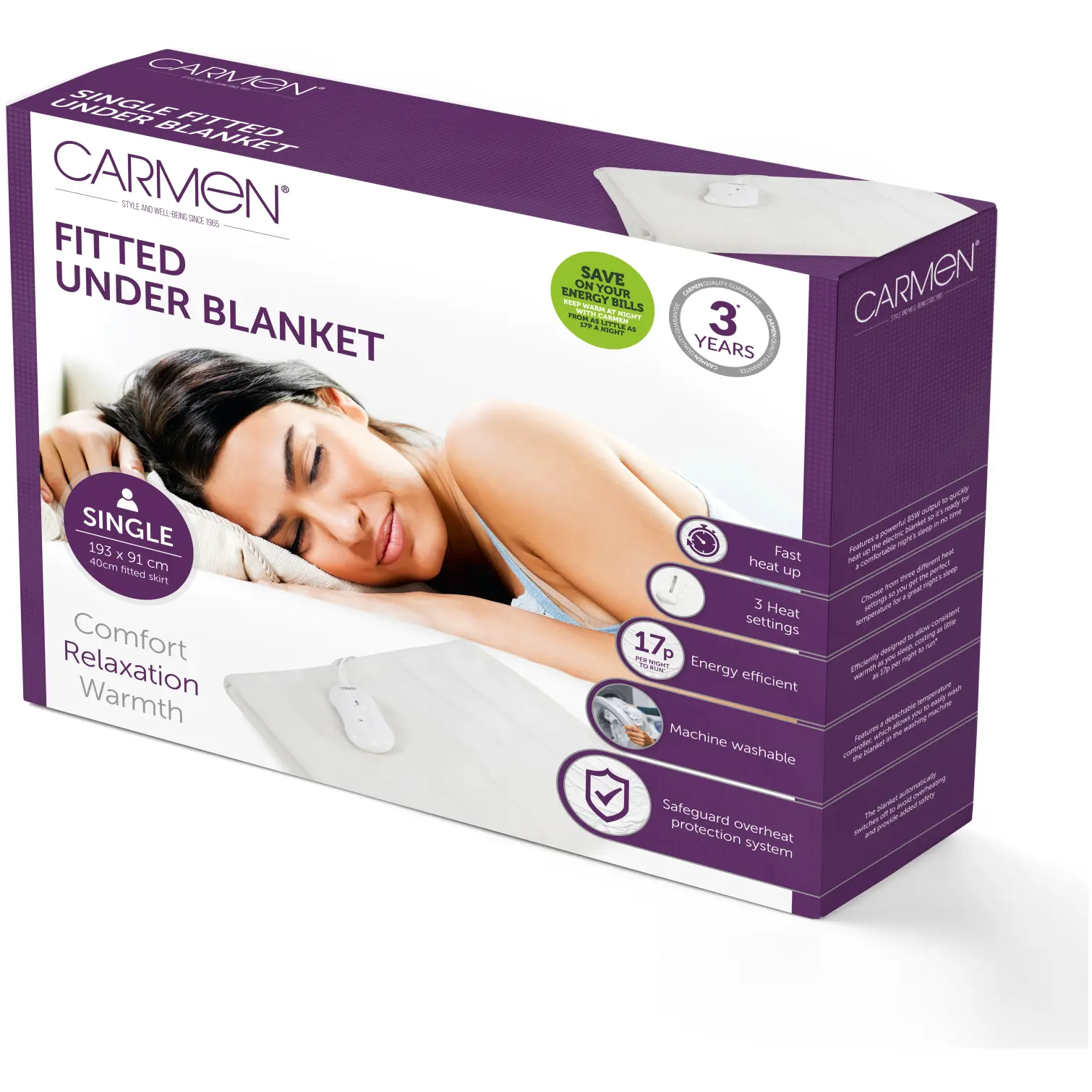
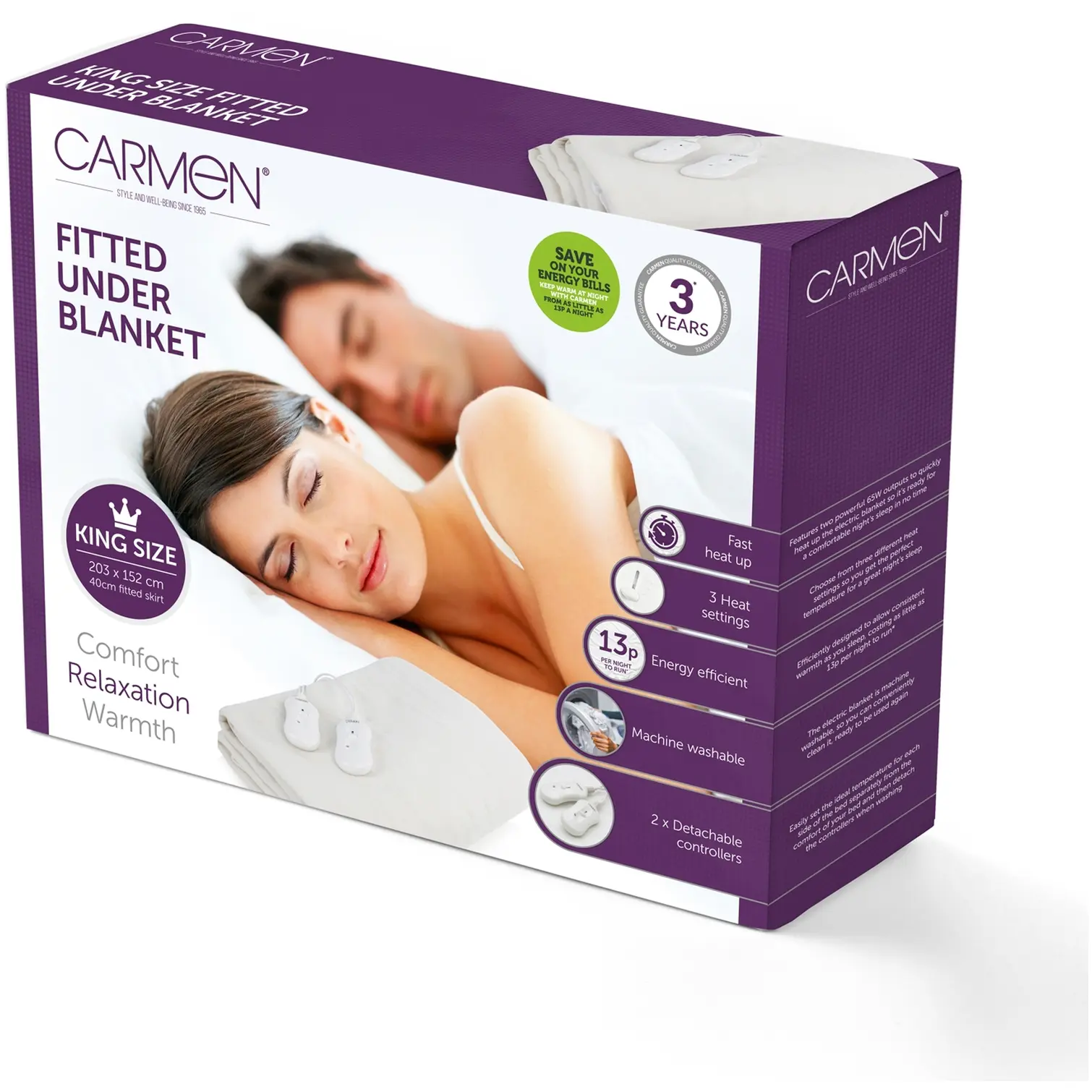
Heating a bedroom all evening just so it’s warm at bedtime wastes a lot of energy. An electric underblanket warms the bed itself instead, heating up fast for a warm bed at a fraction of the running cost of central heating. For couples who run at different temperatures, a dual control version has independent controls for each side of the bed.

10. Warm yourself for cosy evenings on the sofa
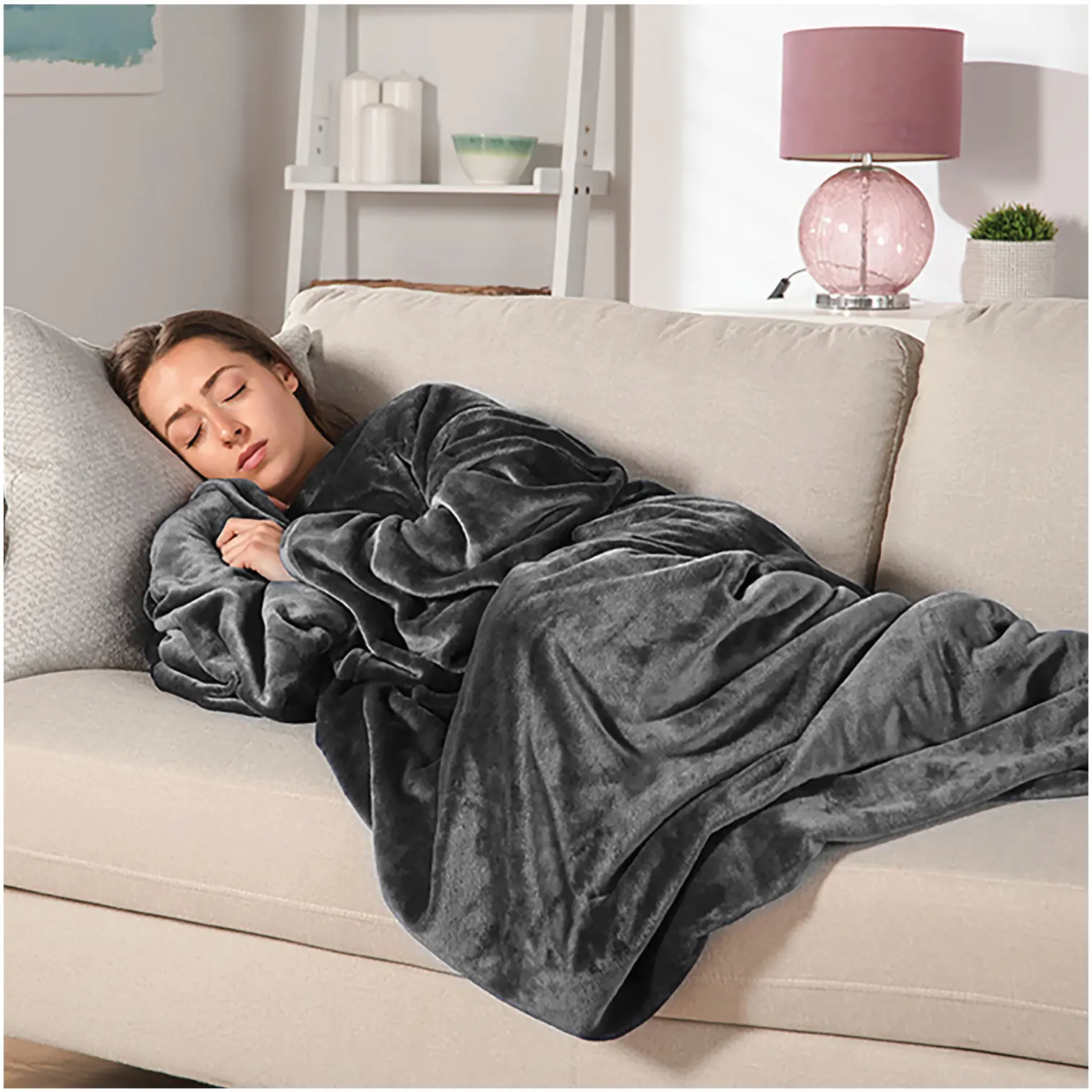
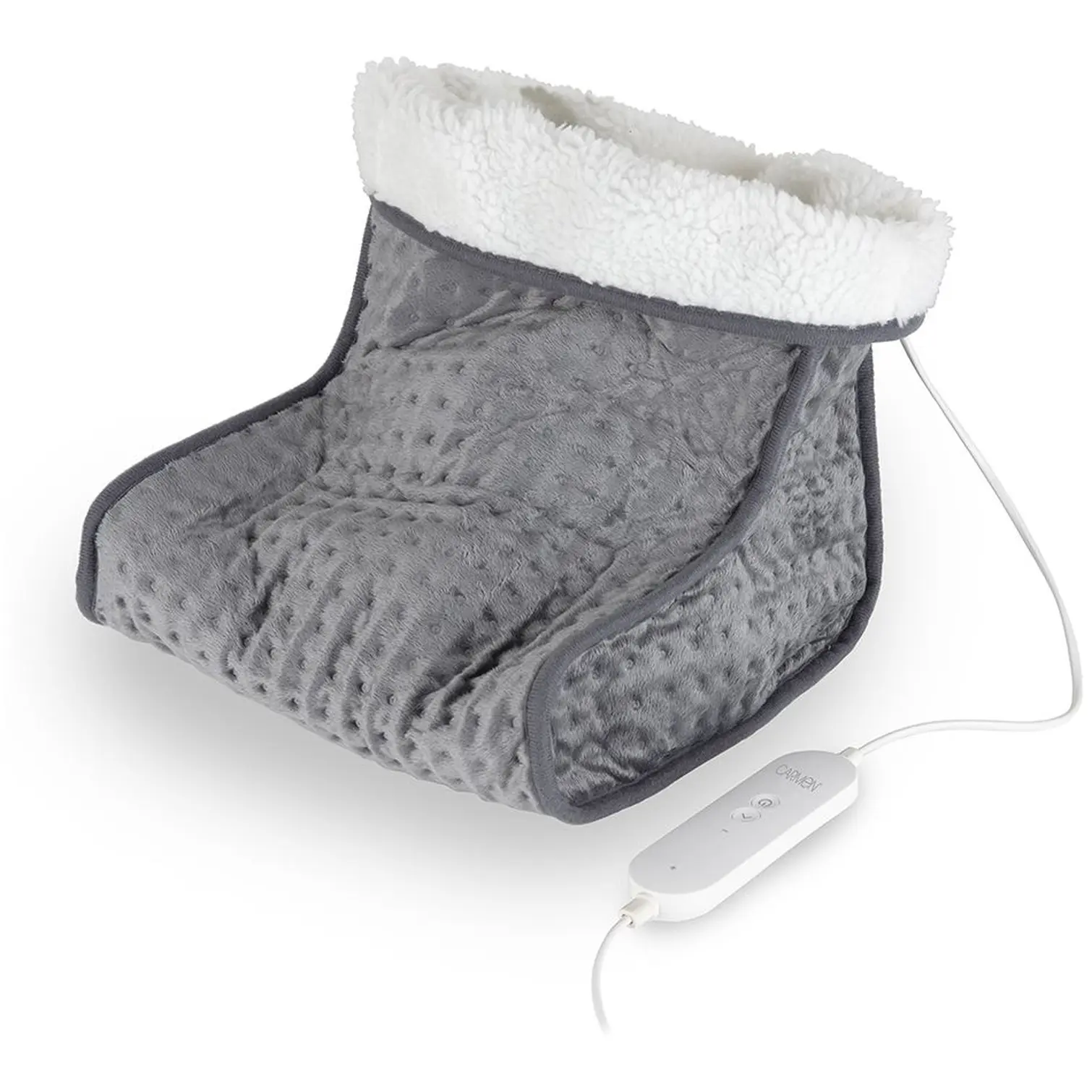
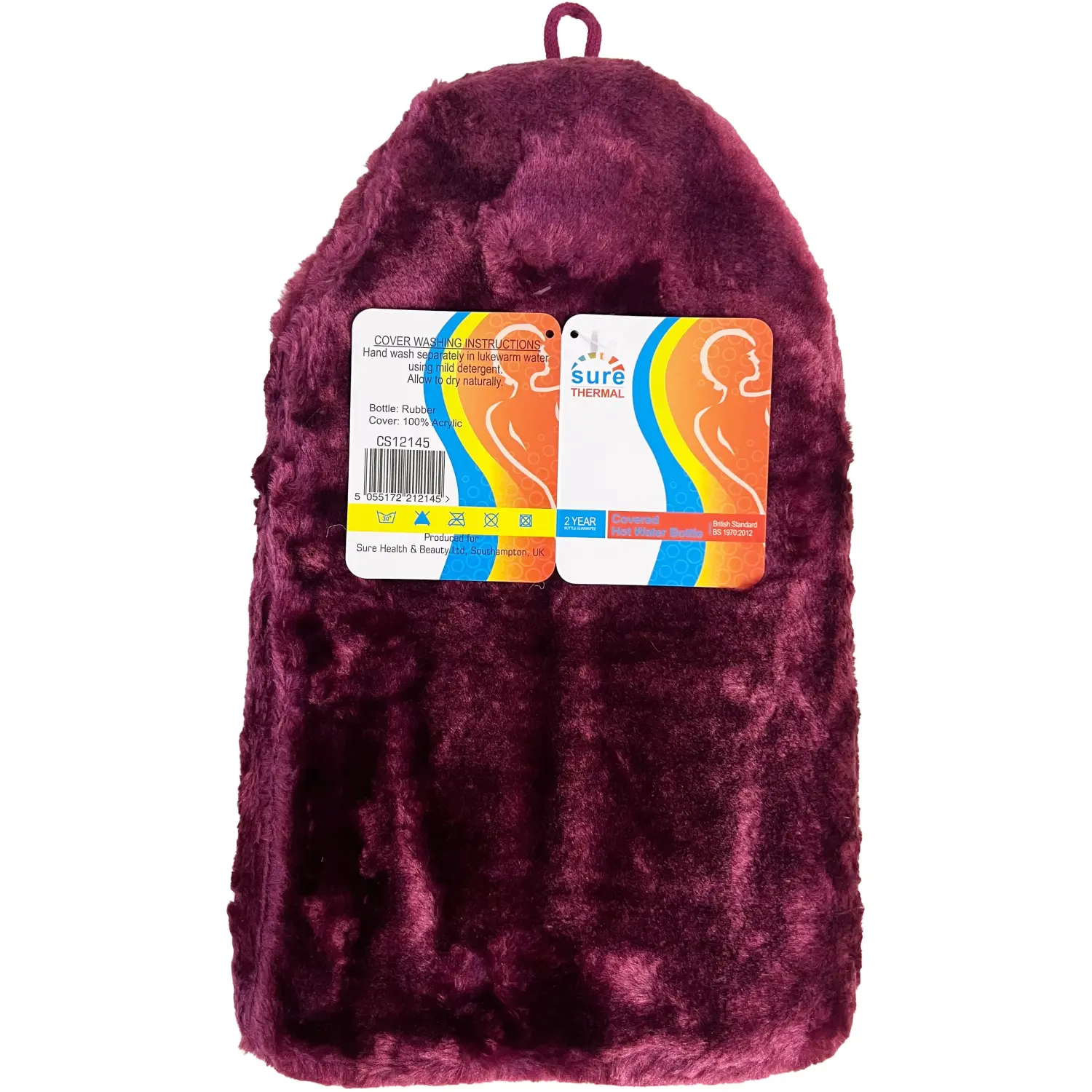
Rather than turning the whole living room up, warm yourself directly. A heated wearable blanket is a long-sleeved, flannel fleece wrap with a gently heated pocket rather than full-body heat, controlled by remote, so your hands stay free for a cup of tea. A heated foot warmer does the same job for cold feet, with multiple heat settings via remote. If you’d rather skip the electricity altogether, a faux fur hot water bottle is the simplest option of all.
Frequently asked questions
What’s the single most effective job on this list?
Loft insulation and draught-proofing external doors both give a lot of return for very little cost, so they’re the best place to start if you’re only doing one or two jobs.
Is it cheaper to heat one room than the whole house?
Generally yes, if you’re only using one room in the evening. A single-room heater or an electric underblanket uses far less energy than heating rooms you’re not sitting in.
How do I know if my radiators need bleeding?
Feel the radiator with the heating on. If the top is cooler than the bottom, there’s trapped air inside and it needs bleeding.
Is an electric underblanket safe to leave on all night?
Always check the specific product’s instructions, most are designed to warm the bed before you get in and are switched off or turned down once you’re under the covers, rather than left on all night at full heat.
Do secondary-glazing films actually make a noticeable difference?
They won’t match proper double glazing, but for single-glazed windows they reduce draughts and heat loss through the glass for a fraction of the cost of replacement windows.
Shop Energy-Saving Essentials